What to Expect
- Acquisition of new skills in your chosen theatre discipline;
- A rigorous and challenging curriculum geared to the theatre professional (with an attendant full and demanding schedule!);
- An opportunity to move beyond habitual choices and default patterns, enabling creative renewal and artistic transition;
- A vibrant faculty, where professionals train professionals in a closely integrated approach;
- Abundant opportunities to engage in performances in unmounted and fully mounted productions;
- An interdisciplinary approach with both students and faculty from a wide range of fields: acting, movement, voice, directing, and playwriting;
- Incomparable studio and theatre facilities, including a new, state-of-the-art, 360-seat proscenium theatre;
- Specialized certification in your chosen discipline;
- The possibility of teaching undergraduate theatre majors or non-majors as you study;
- An international milieu, studying with peers from other countries.
A Typical Weekday for the Actors
9:00 |
Voice Class with David Smukler or Eric Armstrong |
11:00 |
Movement Class with Erika Batdorf or Michael Greyeyes |
1:00 |
Lunch |
2:00 |
Acting with David Rotenberg or Paul Lampert |
5:00 |
Dinner break |
| 6:00 - 10:00 | Rehearsals for an unmounted production, supervised by Ines Buchli |
A Typical Week for the Grad Program
- Monday: Teaching undergraduate theatre majors or non-majors for your Teaching Assistantship;
- Tuesday: Voice, Text & Movement classes during the day, Rehearsals in the evening;
- Wednesday: Singing, Voice teacher seminar, & Acting classes during the day, Rehearsals in the evening;
- Thursday: Voice, Text & Movement classes during the day, Rehearsals in the evening;
- Friday: Voice, Movement & Acting classes during the day, evening off;
- Saturday: Rehearsals 10 - 6pm;
- Sunday: Day off.
This schedule is from the Fall of the second year of training, 2006.
From some of our recent grads...
"The MFA program at York is extremely demanding so you can certainly expect it to BE your life for two years. However, the benefits I received from the program were so great that I can say it is completely worth devoting yourself to.
The Faculty in the Department of Theatre are professionally vibrant and the level of teaching is phenomenal. I had 24 years professional experience when I joined the MFA program and this amazing group of people helped me to grow and develop far beyond my hopes and expectations. They are extremely committed to the development of each student and vigilantly make sure that you do not rest in old habits but continue to develop as an artist.
The work is deep and rigorous and expectations are high, but always presented within the framework of breath, time and instinct. This philosophy runs through Voice, Movement and Acting and helped me to find new realms in my work that had not previously been tapped."
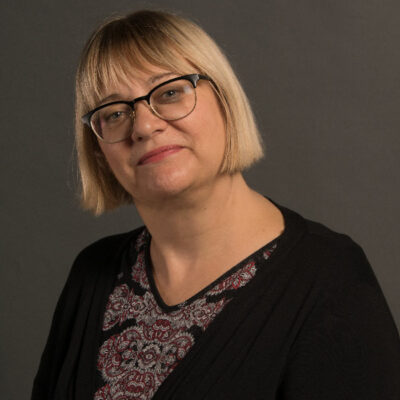
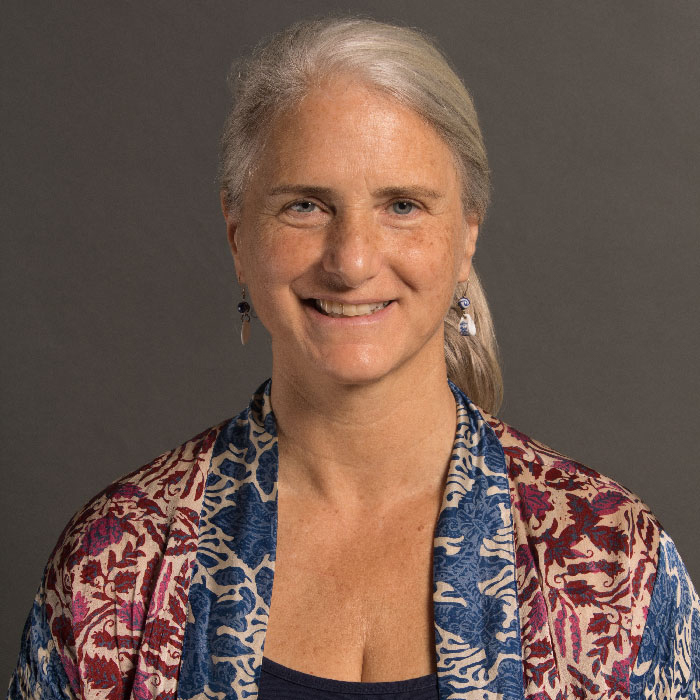
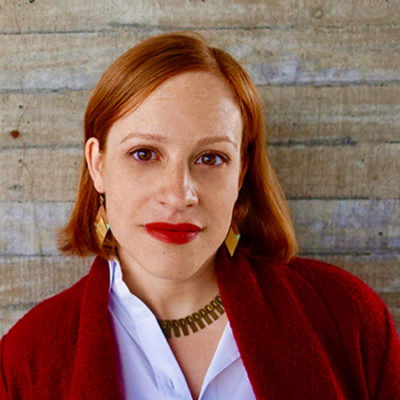
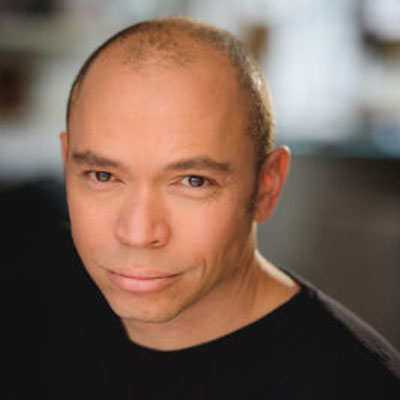
Melee Hutton (MFA in Acting 2006, Graduate Diploma in Teaching Acting)"As a graduate director you will direct a wide variety of projects — from Shakespeare to movement-based physical theatre, to new plays, to your massive 200-person-crewed thesis project which consumes the entire department. You are at the centre of an amazing group of creative people and you are challenged daily to take risks and be responsible, to invest personally in your work and to be disciplined in your approach to it.
"Everything that you do at York — movement classes, the voice work, the acting, as well as the directing seminars and classes - deepens your understanding what it means to be a director. I came in as an actor who wanted to learn how to direct. I came out knowing how to do both better.
"As a grad director I was overwhelmed by the attention paid to my development by the faculty. The instructors at York really care. I felt nurtured, respected and valued. There was a frankness to the discourse and a maturity of outlook that I found inspiring. Now as I continue as a director and a teacher I find myself constantly using what I learned from York —and yet, how it was taught to me has become the bigger lesson."
David Matheson (MFA in Directing 2006)I returned to school after 20 years in the business to train specifically with David Smukler in pursuit of the Voice Teaching diploma. To my pleasant surprise I got so much more.
I found myself immersed in a group of people who brought with them a vast array of experience and curiosity — both faculty and classmates. I was provided with opportunities to push myself in areas of study and in disciplines that both scared and intrigued me. In the end I got what I came for — the Voice teaching diploma, plus some additional teaching experience. What I also received was: a chance to spend five semesters (uninterrupted) exploring myself and my craft; a renewed drive to perform more; an expanded network of colleagues; a desire to continue researching in new ways; an opportunity to truly integrate my skills and strengths; guidance in successfully presenting a paper at an international conference and getting an essay published in an international journal; and a new perspective and passion for this business/art form.
I entered the program from a life that included raising a family, running a theatre company, maintaining a fulltime job, and continuing to do freelance work. I thought I had been busy then. The program at York tested my time-management skills (among others) to their fullest. Those of my classmates for whom this skill was lacking, acquired it very quickly. The days (and nights) were very full. I wouldn’t have missed it for the world! I am very grateful for the experience, as new layers of my education continue to reveal themselves to me.
Mark Ingram (MFA in Acting 2006, Graduate Diploma in Teaching Voice)
A Comparison of Semesters*
* subject to change
Fall of Year One:
- grad seminar meets once every other week
- Acting, Movement & Voice meet for 6 hrs per week, Text for 4 hrs per wk. Tues-Fri.
- No rehearsals or productions (most evenings & Saturdays free)
- Origins project in the first week of classes with the entire Acting Area
- Shakespeare Projects with the entire Acting Area in last week of semester
- Combat workshop (15 hrs.), some evenings
- T.A.s teach once a week (generally on Mondays)
- 100 play comprehensive test
Winter of Year One:
- grad seminar meets once every other week
- Acting, Movement & Voice meet for 6 hrs per week, Text for 4 hrs per wk.
- 2 Unmounted Productions (rehearsals in the evenings & on Saturdays)
- New Play Workshop with entire Acting Area in last week of semester
- T.A.s teach once a week (generally on Mondays)
Summer Between Year One and Year Two:
- Students research their Acting Challenge
- Students write Thesis Proposal
- Students create their Solo Shows
- Students research their Research Paper for their Thesis
- Diploma students may have extra summer assignments (e.g. The Voice Intensive in Vancouver for Voice Diploma students)
Fall of Year Two:
- Students perform Solo Shows on first day back
- Acting, Movement & Voice meet for 6 hrs per week, Text for 4 hrs per wk. Tues-Fri.
- 1 Unmounted Production in Fall (rehearsing evenings and Saturdays)
- Origins project in the first week of classes with the entire Acting Area.
- Shakespeare Projects with the entire Acting Area in last week of semester
- Combat workshop (15 hrs.), some evenings
- T.A.s teach once a week (generally on Mondays)
Winter of Year Two:
- No classes so students can focus on productions
- Theatre Ontario Showcase for agents in Late January
- Minimally-mounted Graduate Showcase Production (rehearsing evenings & weekends)
- Fully-mounted Production(s) with fourth year undergraduate acting students (rehearsing evenings & weekends)
- T.A.s teach once a week (generally on Mondays)
- New Play Workshop with entire Acting Area in last week of semester
In Either Fall or Winter (depending which show students select for their Thesis Role):
- Actors rehearse & perform their thesis role, Directors direct their thesis show, documenting the process in a journal, ;
- Students prepare & submit their Thesis documentation;
- Students do an Oral Thesis Defense.