
Current Lab Members:
Ryan Schott - Principal Investigator
Assistant Professor, Department of Biology & Centre for Vision Research, York University
PhD (2018), Ecology and Evolutionary Biology, University of Toronto
MSc (2011), Ecology and Evolutionary Biology, University of Toronto
HBSc (2008), High Distinction, Evolutionary Biology, University of Toronto
Research Focus: The research in my lab generally aims to answer the question of how selection at the molecular level can shape morphological and functional diversity at the organismal level, particularly in the context of vertebrate visual systems. The current long term objective of my research program is to understand the mechanisms and drivers that have led to the vast diversity of vertebrate visual systems that we see in nature today. To accomplish this we leverage an innovative approach to investigate how and why vertebrate visual diversity has evolved across multiple organizational scale using a combination of comparative genomics and transcriptomics, molecular evolutionary analyses, and targeted experiments.
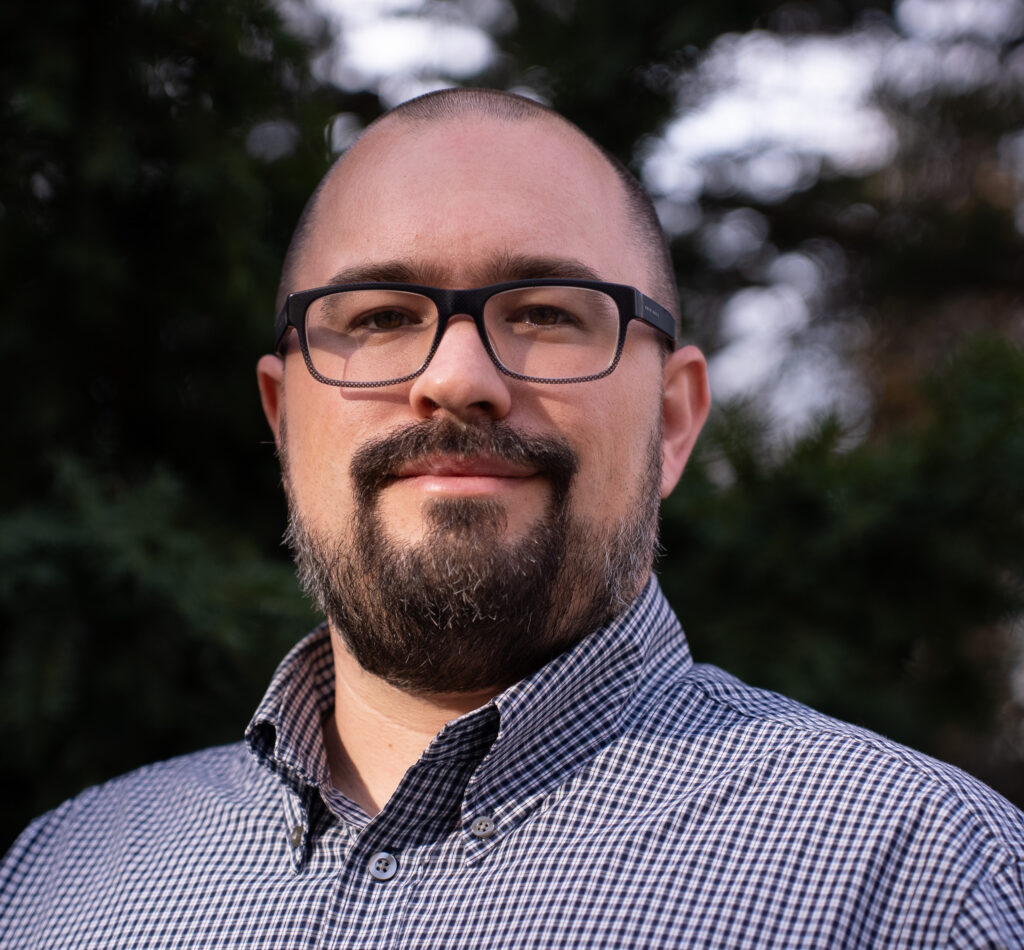
Taegan Perez – PhD Candidate (2022-)
HBSc (2020) Distinction, Ecology & Evolutionary Biology, Evolutionary Anthropology, University of Toronto
MSc (2021) Ecology and Evolutionary Biology, University of Toronto
Taegan's research focuses on the molecular evolution of visual genes across the amphibian tree of life. Amphibians provide a remarkable study system to assess the interactions between visual genes and ecological variables such as activity patterns, life history patterns, and behaviours. Providing a direct interface between an organism and its environment, sensory systems like the visual system present an ideal model to study questions like these. As the most threatened vertebrate group, amphibians also hold incredible conservation value, creating unique opportunities for interdisciplinary work. Taegan hopes that by increasing the body of knowledge on how selection at the molecular level has shaped the functional diversity in the amphibian visual system will provide valuable knowledge to inform conservation decisions.
Previously, Taegan's research focused on assessing species level diversity of freshwater neotropical ichthyofauna in conservation areas. Species level identification of organisms forms the basis of effective conservation management planning. While both morphological and molecular methodologies for identification exist, accuracy and effectiveness of these methodologies varies depending on the study system being assessed. Taegan's goal was to assess differing morphological and molecular identification techniques to effectively determine species level diversity of neotropical freshwater fishes within the Barra del Colorado Wildlife Refuge in Costa Rica. Results from this work is being used to inform conservation decisions and management. Taegan is also continuing to build an effective curated DNA barcoding library for this area as part of a long-term project.
Contact: tjmperez@yorku.ca
Website: Taegan JM Perez MSc (wordpress.com)
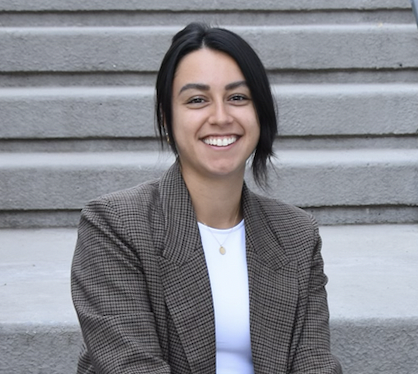
Caroline Ritchie - PhD Student (2025-)
BSc (2020), Honors, Biology, York University
MSc (2025), Ecology and Evolution, York University (Amro Zayed Lab)
Research Focus: Caroline’s research examines how ecological and behavioural pressures shape the evolution of visual genes in amphibians. She is broadly interested in how environmental shifts drive molecular changes in sensory systems. Previously, she studied hybridization in North African honey bees using whole-genome sequencing.
Eren Yigit – Master's Student (2024-)
BSc (2023), Biology - York University
Research Focus: Eren Yigit's research is focused primarily on convergent evolution across fossorial squamates and amphibians. Things that live underground tend to experience a regression in their visual system as a response to the relaxation of selection in visual genes. But is that the whole story? Recent studies have shown that many fossorial squamates and amphibians posses, presumably functional, visual genes. Despite living in an environment absent of light, these lineages clearly retain some aspects of their visual system. Which begs the question, why? Eren studies fossorial squamates and amphibians to uncover how the visual systems of these cryptic lineages have evolved. Using molecular evolution techniques, eren hopes to uncover the selective pressures on the visual genes of fossorial lineages to help better understand how fossorial lifestyles impact the visual system. In addition, Eren hopes his work can also contribute to the wider world of bio-informatics, by designing high-fidelity pipelines for genome assembly and gene extraction


Jay Kwon – Master's Student (2024-)
HBSc (2023), Biology - York University
Research Focus: I am a second-year Master's student in Dr. Schott's laboratory, where I focus on studying nonvisual opsins across turtle species. My research explores the diversity and function of these photoreceptive proteins that play crucial roles in circadian rhythms, seasonal behaviors, and other light-mediated physiological processes in reptiles.
What excites me most about this research is discovering the fascinating roles that opsins play beyond vision and understanding how these functions have evolved across different species. It's incredible to think about how these proteins have adapted to serve such diverse biological purposes throughout evolutionary history.
For my research, I work with programming languages including Python and R, and utilize bioinformatics tools such as BioPython for sequence analysis and MEGA for phylogenetic studies. I'm enthusiastic about continuing to develop these computational skills as I dive deeper into my project and explore the evolutionary patterns of nonvisual opsins in turtles.
Edmond Chan – Master's Student (2025-)
BSc (2025), Biology - University of Ottawa
Research Focus: Edmond’s research focuses on photoreceptor cell fate and differentiation in Xenopus tropicalis. He is working to answer several developmental questions within the Xenopus visual system: what stage do precursor retinal cells become “committed” to the photoreceptor fate? Are there developmental relationships between different cone photoreceptor cell types? Is the use of opsin markers sufficient to identify photoreceptor subtypes? Lastly, he is working towards a gene regulatory network that maps extrinsic and intrinsic fate of photoreceptor subtypes within Xenopus.
He is broadly interested in the study of developmental fate mapping and gene regulatory networks. Previously, he studied neurodevelopment with C. Elegans in the Ottawa Hospital Research Institute preceded by regenerative studies in zebrafish blood vessels in the University of Ottawa.
Bethel Negash – Honors Thesis Student (2024-2025), Research Assistant (2024-2026), B.Sc., Biomedical Science (2025)
Research Focus: Investigating differential gene expression associated with skin and liver pigmentation in sexually dichromatic Hyperolius tuberculatus
Bethel Negash recently completed her B.Sc. in Biomedical Science and continues to support the Schott Lab as a volunteer. Her honors thesis focused on uncovering the genetic basis of colour change in Hyperolius tuberculatus, a sexually dichromatic African reed frog. She investigated how gene expression differs between the green (Phase J) and orange (Phase F) morphs, with a particular interest in the roles of both skin and liver tissues in pigmentation. Bethel is currently expanding on this work through additional analyses and refinement of her findings.
Hasti Shahbazi – Honors Thesis Student (2025-2026), RAY Undergraduate Student Researcher: Molecular Evolution (2024-2025), B.Sc., Hons. Biology
Research Focus: Analyzing photoreceptor evolution in frogs using microspectrophotometry (MSP) and skin reflectance data.
Hasti Shahbazi is entering her fourth year of a Bachelor of Science in Biology at York University. She joined the Schott Lab in May 2024 and recently marked her one year anniversary with the group. Her current research focuses on how predators perceive frogs under different light conditions specially in low light environments. She is investigating how frog coloration is perceived by both predators and conspecifics by combining microspectrophotometry (MSP) data with skin reflectance measurements. Hasti will soon begin work on her undergraduate thesis and continue to explore questions related to visual perception. Before joining the Schott Lab she gained experience in analytical chemistry with a focus on mass spectrometry and developed skills in both data analysis and lab techniques.
Mozhan Yaghmai- Research Assistant (2025), York RAY Undergraduate Student Researcher: Bioinformatics (2024-2025) and Honors Thesis Student (2024-2025), B.Sc., Hons, Biomedical Sciences (2025)
Research Focus: Using target capture (TC), DNA sequencing, and sequence assembly with molecular pipelines to analyze the evolution of the visual system in frogs.
Mozhan graduated from York University in 2025 with an Honours degree in Biomedical Sciences, completing her thesis in Dr. Schott’s lab. Her research focused on optimizing the in-house target capture assembly pipeline for visual system genes in frogs using target capture data. She compared recovery and completeness across references to improve gene assembly for evolutionary analysis, and now she is continuing to work in the lab as a volunteer student.
Ayesha Raza Khan - Honors Thesis Student (2025-2026), BSc.,
Research Focus : Utilizing the Schott Lab Target Capture pipeline to investigate the recovery of visual cycle genes, and conducting evolutionary analysis on visual cycle genes.
Ayesha is entering her fourth year of studies at York University with a major in Biology and a minor in Psychology. She joined the Schott Lab as a RAY student and will develop her project into a thesis this September.
Yas Behzadi - Honors Thesis Student (2025-2026), B.Sc., Hons, Biomedical Sciences
Research Focus: Molecular evolution of phototransduction genes in diurnal and nocturnal geckos
I’m a 4th-year student in Biomedical Sciences at York University. My thesis uses comparative genomics and transcriptomics to evaluate how visual systems are adapted to bright light vs low light by examining the molecular evolution of phototransduction genes in diurnal and nocturnal geckos.
Isabella Mokabel - York RAY Undergraduate Student Researcher: Molecular Evolution (2025-2026), YSSA Undergraduate Student Researcher (2025), BSc., Honors Biology
Research Focus: Patterns of Molecular Evolution in the Phototransduction Genes of Turtles
Isabella Mokabel is going into her second year of studies at York University for Biology. She joined the Schott Lab as a YSSA Student for a summer placement and is currently working with Taegan to study molecular evolution in the two major lineages of turtles. Her focus is investigating the variation in turtle phototransduction genes to better understand their evolutionary patterns.
Alexis Ballesteros - York RAY Undergraduate Student Researcher: Bioinformatics (2025-2026), BSc., Honors, Biology (Biotechnology)
Research Focus: Improvement of bioinformatic tools and organization.

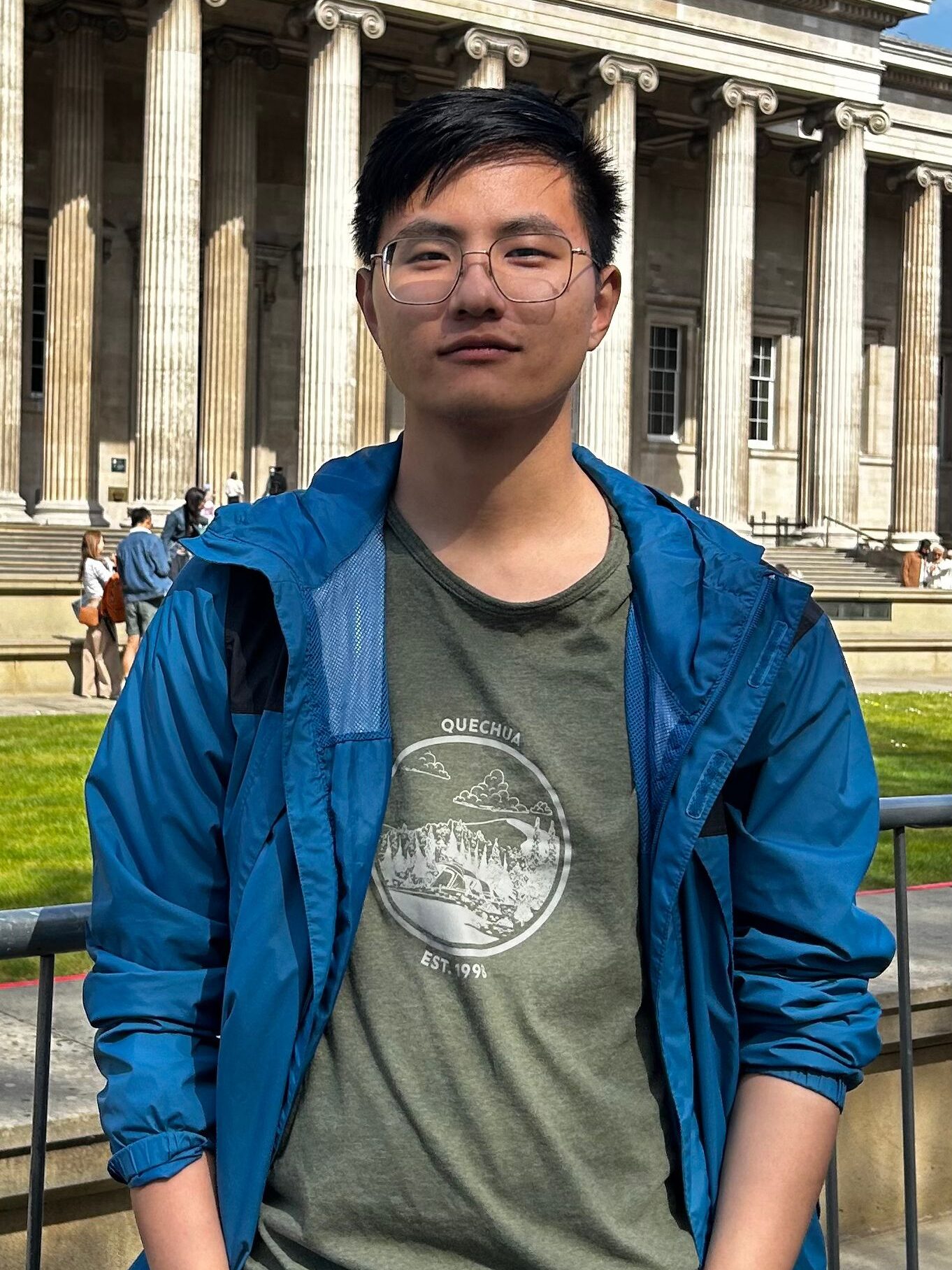


Past Lab Members:
Graduate Students
- Jhael Ortega -MSc (2023-2025)
- Research Focus: Investigating how vision has adapted to different light environments in different groups of reptiles and amphibians by studying different visual and non-visual genes.
Undergraduate Students
- Aaiza Khan – YSSA Undergraduate Student Researcher (2021)
- Research Focus: Molecular evolution of phototransduction genes in frog visual systems
- Abdullah Hakeem – YSSA Undergraduate Student Researcher (2022)
- Research Focus: Molecular evolution of frog lens crystallin and pigmentation genes
- Amirmohammad Nasiri – Honors Thesis Student (2022), Research Assistant, Webmaster, B.Sc., Hons. Biotechnology Program (2022)
- Role: Development and management of Schott Lab website
- Research Interests: Molecular evolution of phototransduction recovery genes across frogs
- Andrew Rizk – York RAY Undergraduate Student Researcher: Bioinformatics (2024)
- Research Focus: Assembly and analysis of target capture sequence data.
- Camille Lavoie – RAY Undergraduate Student Researcher: Molecular Evolution (2021), Research Assistant, B.Sc., Hons. Biomedical Science (2022)
- Research Focus: Molecular evolution of visual systems in frogs
- Ibifuro Opuso-Jama – USRA Undergraduate Student Researcher, B.Sc., Specialized Hons. Biochemistry (2023)
- Research Focus: Analysis of genomic data from the targeted capture of visual genes across frogs using multiple bioinformatic approaches.
- Lauren Grant-Assor – Laboratory Assistant, B.Sc., Hons. Biology Program (2022)
- Role: procurement and set-up of laboratory equipment for the Schott Lab
- Lisa David - Research Assistant (2025), BSc., Honors Biology (2025)
- Research Focus: Selection and molecular evolution of caecilian phototransduction genes.
- Matthew Penuvchev – RAY Undergraduate Student Researcher: Molecular Evolution (2023), Honors Thesis Student (2024), B.Sc., Hons. (2024)
- Research Focus: Molecular evolution of light detection genes in turtles' retina.
- Meghan Lam - YSSA Undergraduate Researcher (2025), BSc.,
- Research Focus: Visual systems in fossorial species
- Minh-Anne Than – RAY Undergraduate Student Researcher: Molecular Biology (2022)
- Research Focus: Molecular evolution of visual systems in amphibians
- Minoosh Fathi – Honors Thesis Student (2023) and NSERC/DURA Undergraduate Student Researcher (2021-2023), B.Sc., Hons. Biomedical Science (2023)
- Research Focus: Molecular evolution of visual and non-visual opsins across vertebrates. Sequencing, assembly, and evolutionary analyses of the first eye transcriptomes from salamanders.
- Natalie Casola – RAY Undergraduate Student Researcher: Bioinformatics (2023), Honors Thesis Student (2024), B.Sc., Hons. Biology (2024)
- Research Focus: Molecular evolution of visual cycle proteins in frogs and other vertebrates with different life histories and ecologies.
- Renee Gormon - Undergraduate Student Volunteer (2021), B.Sc., (2022)
- Ron Alesker - RAY/NSERC/DURA Undergraduate Student Researcher: Molecular Evolution (2022-2023), B.Sc., (2023)
- Research Focus: Adaptive significance of color pattern variation across frogs analyzed through visual modelling. Molecular evolution of frog lens crystallin and pigmentation genes during major ecological transitions.
- Sabrina Brusco – YSSA Undergraduate Student Researcher (2021)
- Research Focus: Molecular evolution of phototransduction visual system genes in frogs
- Saesha Kukreja – YSSA Undergraduate Student Researcher (2022)
- Research Focus: Molecular evolution of frog lens crystallin and pigmentation genes.
- Taiye Estwick - RAY Undergraduate Student Researcher: Bioinformatics (2023) and NERSC Undergraduate Student Researcher (2024)
- Research Focus: Using target capture (TC), DNA sequencing, and sequence assembly with molecular pipelines to analyze the evolution of the visual system in frogs.
- Vanessa Caramanica – Honors Thesis Student (2023) and RAY Undergraduate Student Researcher: Molecular Evolution (2022), B.Sc., Hons. Biomedical Science (2023)
- Research Focus: Molecular evolution of visual cycle proteins in frogs with different life histories and ecologies.
- Victoria Mortella– Honors Thesis Student (2023), B.Sc., Hons. Biomedical Science (2023)
- Research Focus: Molecular evolution of phototransduction genes in two diverged lineages of turtles.
- Wally Mir – NSERC Undergraduate Student Researcher (2021), Honors Thesis Student (2022), B.Sc., (2022)
- Research Focus: Molecular evolution of visual systems in turtles
- John (Jack) Boyette – Postbaccalaureate Research Associate (2019-2022), BSc, Biology & Animal Science, Berry College
- Research Focus: Evolution of non-visual opsins in frogs with different life histories and ecologies.
- Jack was an intern in the NSF-REU Natural History Research Experience program at the National Museum of Natural History in the Bell Lab for summer 2019 co-supervised by Dr. Rayna Bell and Dr. Ryan Schott. Jack is continuing his work in the Schott and Bell labs on molecular evolution of non-visual opsins across the frog tree of life. Jack recently won the Wake award for best student talk in the Division of Phylogenetic and Comparative Biology at the SICB 2021 meeting. Jack is now a PhD candidate and NSF Graduate Research Fellow in the Becker Lab at Penn State University. Website: https://www.johnlboyette.com
- Research Focus: Evolution of non-visual opsins in frogs with different life histories and ecologies.