

A York University researcher is calling for a major shift in how the world governs nuclear energy – one that puts trust, fairness and sustainability at the centre.
Hassan Qudrat-Ullah, professor in the Faculty of Liberal Arts & Professional Studies, proposes a new model designed to improve how countries cooperate on nuclear energy governance.
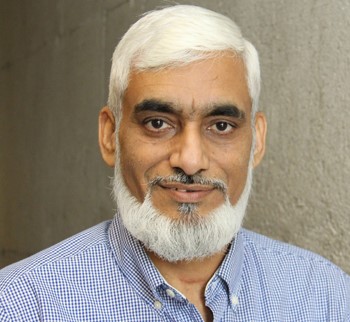
Published in the journal Energies, the paper introduces the Qudrat-Ullah Nuclear Peace and Trust (Q-NPT) framework that aims to complement existing treaties and safeguards while addressing gaps in equity and transparency.
“Nuclear energy is a key part of the clean energy transition,” says Qudrat-Ullah. “But current governance systems often leave developing countries out – limiting access to technology and eroding trust. The Q-NPT framework offers a more inclusive and future-ready approach.”
At its core, the Q-NPT framework works by:
- Making nuclear governance more transparent – countries could share data through joint monitoring systems and regional hubs to build trust and keep each other accountable.
- Improving access to nuclear energy – the model supports fair technology-sharing and training so developing countries can take part in nuclear energy transitions.
- Using smart tools to track activity – technologies like blockchain, AI and remote monitoring help verify compliance in real time, reducing the need for costly inspections.
- Offering flexible ways to join – countries can adopt Q-NPT gradually, using voluntary agreements and tailored funding. A global transition fund would help cover costs for lower-income nations.
The paper reports that case studies from Latin America and Serbia show how the framework could be applied in different regional contexts. Serbia, for example, recently lifted its moratorium on nuclear power development and is exploring partnerships in southeast Europe – making it a potential test case for Q-NPT adoption.
"By focusing on trust, transparency and fairness, Q-NPT aims to close gaps in existing systems and support more inclusive international cooperation,” says Qudrat-Ullah. “The framework is designed to work alongside current treaties, not replace them, and includes clear strategies for legal alignment, technology use and financial support.”
Qudrat-Ullah proposes a phased plan for adoption, starting with pilot programs and regional training hubs with eventual integration into global platforms, like the United Nations Sustainable Development Goals (SDGs).
The long-term goal, he says, is to shift nuclear governance towards a system grounded in collaboration and shared progress.
Read the paper.