
Skip to main content#
Glendon Campus Alumni Research Giving to York Media Careers International York U Lions Accessibility
Future Students Current Students Faculty and Staff
Faculties Libraries York U Organization Directory Site Index Campus Maps
Graduate Program in Biology

>> Faculty


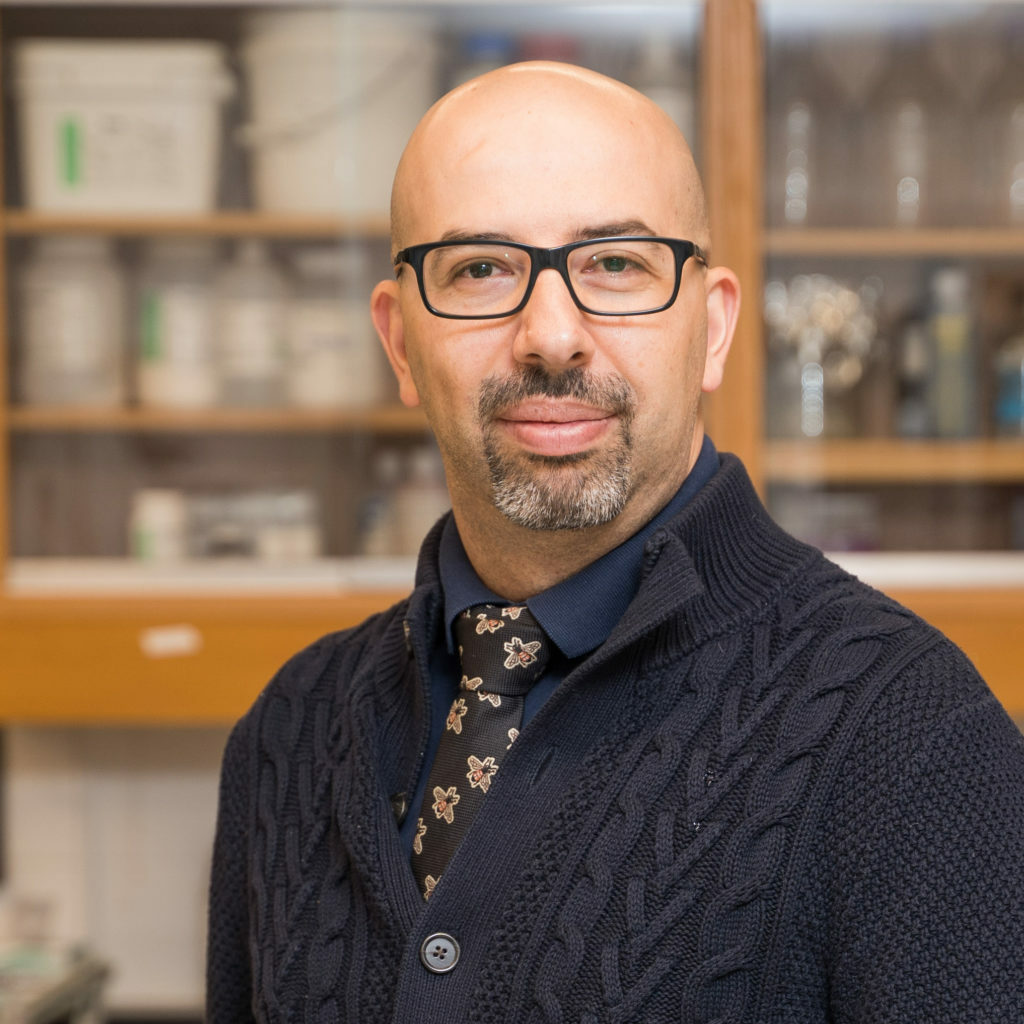
Suraj Unniappan

PhD (University of Alberta)
Associate Professor of Biology

E-mail: suraju@yorku.ca

Research Interests: Neuroendocrinology, Physiology, Comparative Endocrinology, Gastroenterology, Obesity, Diabetes, Translational Physiology, Molecular and Cellular Endocrinology


Research Overview: 

Peptide neuroendocrine factors play an important role in the regulation of hunger, food intake, feeding behavior and metabolism in vertebrates.  Although the brain produces many factors regulating energy balance, the gut is also a major endocrine tissue in vertebrates producing many neural and endocrine signals involved in regulating hunger and satiety.  Thus, the gut-brain axis is an important component of vertebrate physiology.  I have been focusing on identifying and examining the biological effects of gut and brain-derived appetite-regulatory peptides in fish and mammals.  The overall objective of the research in my Laboratory of Integrative Neuroendocrinology is to study the biological actions of brain and gut regulatory peptides.  A key question is how these peptides act and interact with other peptides in the complex endocrine network to control physiological processes in vertebrates.  Using both non-mammalian vertebrates such as fish (goldfish and zebrafish) and mammals (rats and mice) as experimental models, we follow an integrative approach employing molecular, cellular and physiological tools to conduct in vitro (primary cells, tissues and cell lines) and in vivo (whole animal) studies for the functional characterization of regulatory peptides in vertebrates.  Specific themes of research in our laboratory include:

(i) Structural and Functional Characterization of Novel Endocrine Factors in Fish

The major focus of this research is to characterize novel peptidyl endocrine factors from tissues including gut and brain of fish.  We use both goldfish and zebrafish for identifying endocrine factors and their physiological functions, mainly their role in regulating metabolism.  For example, we have previously identified the structure of ghrelin and galanin in fish and elucidated ghrelin�s role in regulating feeding and pituitary hormone release in goldfish.  In future, we plan to conduct the molecular and physiological characterization of novel peptides in fish.  Fish models we use in our laboratory are well-characterized organisms for neuroendocrine research.  Physiological effects of endocrine factors could be tested in an accelerated manner using fish.  Once the biological effects of peptides are identified in fish, studies could be initiated in mammalian experimental models. 

(ii) Gut-Brain Axis and the Regulation of Metabolism in Mammals

Another area of research in our laboratory focuses on the appetite regulatory and metabolic roles of gastrointestinal and brain hormones in mammals.  Many of these hormones have direct effects in regulating energy balance.  Using various rodent models, we have been studying the acute and chronic effects of peptides including peptide YY (PYY) in regulating feeding and energy balance in mammals.  We are currently continuing our research on several gut-brain peptides and their roles in regulating energy balance and glucose homeostasis and mechanisms of actions of these peptides in mammals.

(iii) Development of Potential Hormone-Based Therapies for Endocrine Disorders

Results from our research using mammalian models could be translated to develop novel therapeutic strategies for treating endocrine disorders, mainly metabolic diseases including obesity and diabetes.  For example, potential of satiety factors that reduce weight gain and feeding could be explored for the development of molecules to treat obesity.  We use both pharmacological and cell based (using genetically engineered gut cells; in collaboration with Dr. Timothy J. Kieffer, University of British Columbia) approaches for developing potential hormone-based therapies for endocrine pathophysiologies.

Overall, by conducting parallel studies using fish and rodents, the research in our laboratory will contribute to better our understanding of evolutionary patterns of structure and functions of hormones and their receptors involved in regulating metabolism in vertebrates.  In addition, the lessons learned from these studies could turn beneficial in fish culture, to enhance fish growth and in health care, by providing new therapeutic avenues for preventing or treating endocrine diseases related to metabolism.


Publications:

10. Unniappan S, McIntosh CHS, Demuth H-U, Heiser U, Wolf R, Kieffer TJ 2006 Effects of Dipeptidyl Peptidase IV on the Satiety Effects of Peptide YY Diabetologia DOI: 10.1007/s00125-006-0310-8.

9. Canosa LF, Unniappan S, Peter RE 2005 Periprandial Changes in Growth Hormone Release in Goldfish: Role of Somatostatin, Ghrelin and Gastrin Releasing Peptide. American Journal of Physiology: Regulatory, Integrative and Comparative Physiology 289(1): R125-R133.

8. Unniappan S, Peter RE 2005 Structure, Distribution and Physiological Functions of Ghrelin in Fish. Comparative Biochemistry and Biochemistry Part A: Molecular and Integrative Physiology 140(4): 396-408.

7. Volkoff H, Canosa LF, Unniappan S, Cerda-Reverter JM, Bernier NJ, Kelly SP, Peter RE 2005 Neuropeptides and Control of Food Intake in Fish. General and Comparative Endocrinology 142(1-2): 3-19.

6. Unniappan S, Peter RE 2004 In Vitro and In Vivo Effects of Ghrelin on Growth Hormone and Luteinizing Hormone Release in Goldfish. American Journal of Physiology: Regulatory, Integrative and Comparative Physiology 286(6): R1093-1101.

5. Unniappan S, Cerda-Reverter JM, Peter RE 2004 In Situ Localization of Preprogalanin mRNA in the Goldfish Brain and Changes in its Expression During Feeding and Starvation. General and Comparative Endocrinology 136(2): 200-207.

4. Unniappan S, Canosa LF, Peter RE 2004 Orexigenic Actions of Ghrelin in Goldfish:  Feeding Induced Changes in Brain and Gut mRNA Expression and Serum Levels, and Responses to Central and Peripheral Injections. Neuroendocrinology 79(2): 100-108.

3. Yunker WK, Smith S, Graves C, Davis PJ, Unniappan S, Rivier JE, Peter RE, Chang JP 2003 Endogenous Hypothalamic Somatostatins Differentially Regulate Growth Hormone Secretion from Goldfish Pituitary Somatotropes In Vitro. Endocrinology 144(9): 4031-4041.

2. Unniappan S, Lin X and Peter RE 2003 Characterization of Complementary Deoxyribonucleic Acids Encoding Preprogalanin and its Alternative Splice Variants in the Goldfish. Molecular and Cellular Endocrinology 200(1-2): 177-187.

1. Unniappan S, Lin X, Cervini L, Rivier J, Kaiya H, Kangawa K, and Peter RE 2002 Goldfish Ghrelin: Molecular Characterization of the Complementary Deoxyribonucleic Acid, Partial Gene Structure and Evidence for its Stimulatory Role in Food Intake. Endocrinology 143(10): 4143-4146.