

For some PhD students, the prospect of a career outside academia can come with feelings of failure or uncertainty. A new program at York University is trying to change that.
Beyond the Academy is a six-week initiative developed by Zachary Spicer, associate professor in the Faculty of Liberal Arts & Professional Studies (LA&PS) and head of New College, in partnership with York’s Co-op & Career Centre. Designed specifically for LA&PS doctoral students, the program guides a cohort of 25 PhD students through career exploration, translating academic skills for non-academic settings, networking, job search strategy and concrete next steps with emotional support built in from the start.

The program responds to a decades-long structural shift in academic hiring.
"There's just not enough academic jobs for the amount of PhD students that we are graduating," says Spicer. "It is not a reflection on any individual candidate. It is just a math problem."
Spicer speaks from experience. He spent time outside academia before returning to York and has watched colleagues navigate the same transition with widely varying degrees of support. Over the past three years, New College has run webinars and workshops, and brought alumni in to speak about non-academic careers. Students appreciated those efforts, says Spicer, but kept saying they needed more.
"It felt kind of like a one-off," says Spicer. "They still had questions. I know I probably need to do this; I probably want to do this – but how do I actually get things going?"
Beyond the Academy was designed to answer that question in a sustained, structured way. Each week builds on the last – moving from career narrative and self-reflection through to LinkedIn, networking and an individualized career plan. The program also brings in an occupational therapist to help students work through the emotional weight that can accompany the transition.

"You're not just going towards the consolation prize," says Spicer. "You're going towards something that provides meaning and purpose."
The partnership with the Co-op & Career Centre adds another dimension. New College worked with the centre to scope the program, and its staff are leading three of the initiative’s six modules. Susan Pogue, career counsellor at the centre, delivered the program's opening session on rethinking the PhD career narrative. She says what sets Beyond the Academy apart from individual appointments or stand-alone webinars is the community it creates.
"It's the same 25 students going through each week," she says. "They're building rapport and trust, learning from each other, talking openly about exploring careers outside of academia – maybe for the first time. It normalizes that conversation."
For Lisa Smith, a PhD student in humanities whose research focuses on children's folklore, the program arrived at exactly the right moment. A former K to 12 educator who returned to post-secondary studies after two decades, she joined the program to think more seriously about her options if a tenure-track path does not materialize.
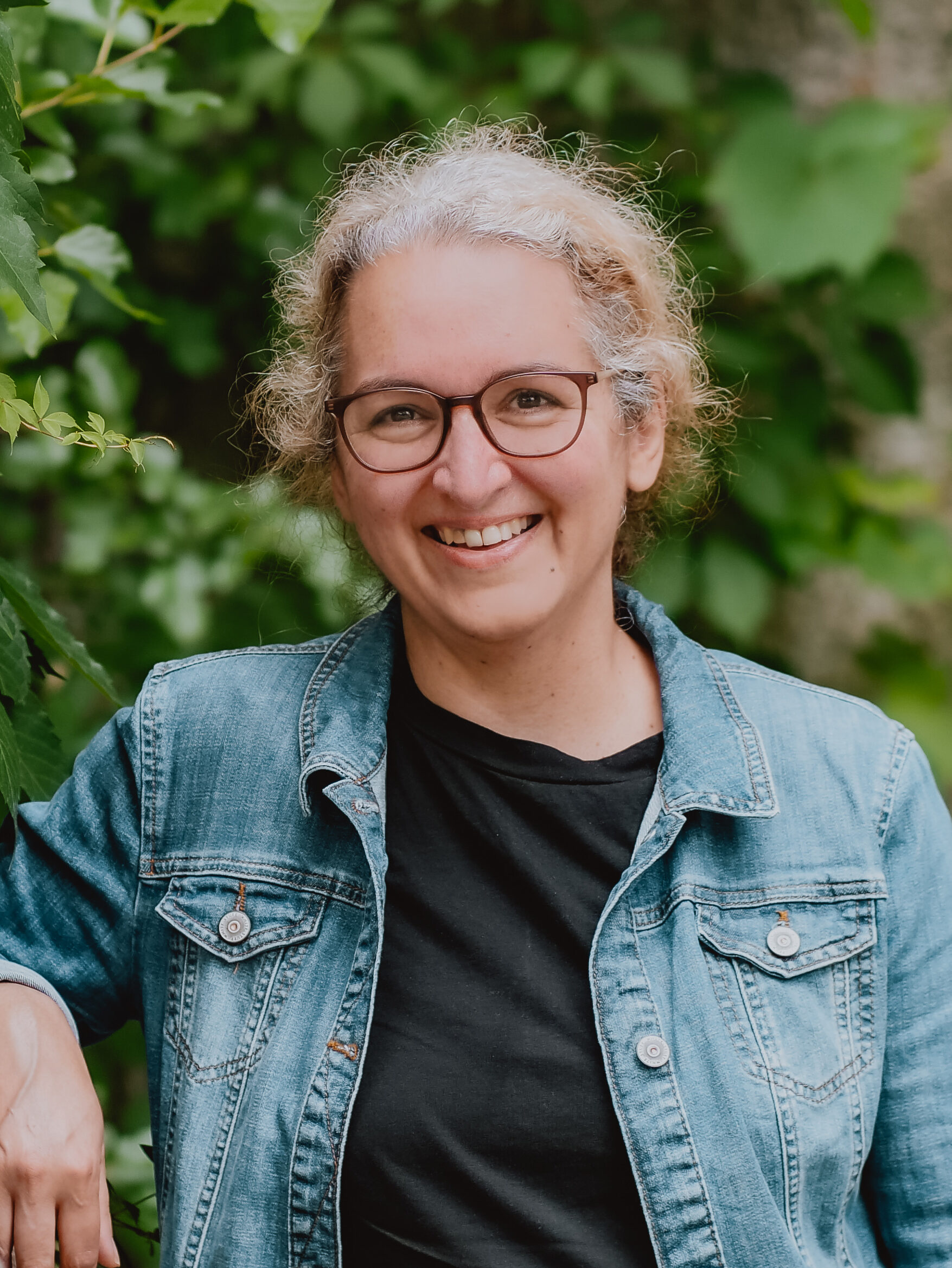
"I needed to be looking at Plan B," she says. "This was a start to preparing and looking at what other options are out there."
Though still in the early weeks of the program, she says it has already helped make a once-vague future feel more structured. Through the first sessions, participants were encouraged to think about the values, interests and the skills they developed through doctoral work – from long-term project management to research and critical analysis – and how that could translate beyond academia.
“I think my anxieties became reduced through this program,” she says. “The things that could happen in the future become more possible.”
For Spicer, the first cohort is a pilot – one being formally evaluated by York's Office of Institutional Planning and Analysis. If it works, he hopes it can be replicated. More broadly, he says the goal is to make conversations about non-academic careers a more normal part of doctoral education.
"I am hoping that as a Faculty and as a school, we are more open to having conversations around non-academic careers," he says. "I'd like graduate students to leave excited and empowered about what comes next."
Smith concurs: "It ought to be open to all PhD students at York."
With files from Mzwandile Poncana