

Dr. Yana Boeva is Junior Research Group Leader at the Institute for Social Sciences, University of Stuttgart, Germany. Her research interests include the critical studies of computation, digital infrastructures and platformization, knowledge requirements in the digital transformation, epistemic cultures and practices of engineering cultures, and their sociocultural context. Her work has been published in Science as Culture, Science & Technology Studies, Historical Social Research, Digital Culture & Society, and in several edited volumes. She holds a PhD in Science & Technology Studies from York University, Toronto.

Tomer Jordi Chaffer, BCL/JD Candidate and M.Sc. in Experimental Medicine from McGill University, is an interdisciplinary researcher focused on the governance of emerging technologies. He examines digital governance tools and their ethical, legal, and commercial implications, with a focus on agentic AI and digital identity in healthcare. He contributes to ISO/IEC committees on AIand Bio-Digital Convergence to advance global standards for responsible innovation. He leads the BHTY Advisory Council AI and Ethics group and collaborates with policy think tanks to develop concise, evidence-based reports on AI, digital trust, and governance issues for policymakers and standards bodies worldwide.
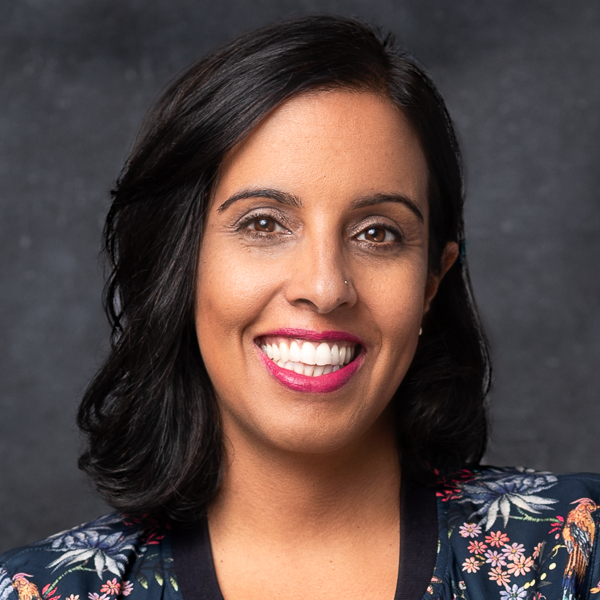
Dr. Negin Dahya is an Associate Professor at the University of Toronto Institute of Communication, Culture, Information and Technology. She also holds a graduate appointments at the Faculty of Information where she teaches graduate courses and supervise graduate students. She studies power, privilege, and oppression in relation to media and technology. Her qualitative research draws on postcolonial and feminist theory and methods. She focuses on sociotechnical theory and analysis of complex social and technical systems, exploring dynamics of power as they play out across difference. Her research is currently focused primarily in the context of refugee camps and refugee resettlement.

Dr. Giulia De Togni is an experienced ethnographer and an interdisciplinary social scientist specialising in Science and Technology Studies, holding degrees in Social Anthropology (PhD, MSc), Japanese Studies (MSt, MPhil), and Legal Studies (BA). Currently, she is a Wellcome Trust Research Fellow, Chancellor’s Fellow at The University of Edinburgh, and Turing Fellow at The Alan Turing Institute. Her work focuses on responsible research and innovation for AI and robotics applications in the health and care sectors. Through her work she aims to enable different stakeholders to become part of the co-production of healthcare technologies to inform and shape innovation together.

Dr. Joseph Donia is a postdoctoral fellow at the University of Milan. Drawing on perspectives from Science and Technology Studies (STS), his work addresses the politics of data-intensive health innovation. His doctoral dissertation was a multi-year ‘embedded’ study of a hospital-based AI development team commercializing their technology through a start-up. His current research focuses on the politics of cross-border health data sharing and the moral and material infrastructures they rely upon. Joseph has previously held fellowships at the University of Toronto Joint Centre for Bioethics, Women’s College Hospital, and the Schwartz Reisman Institute for Technology and Society.
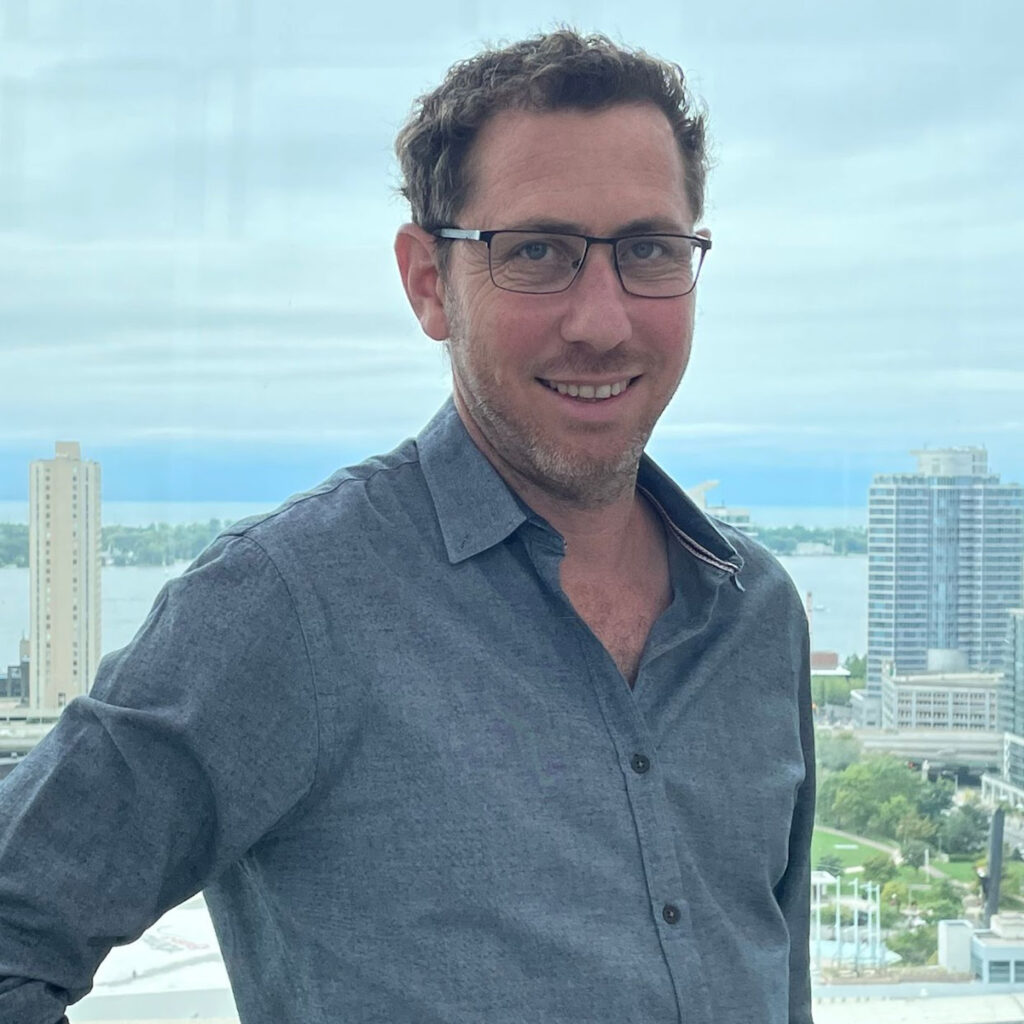
Dr. Ori Freiman is a Post-Doctoral Fellow at McMaster University’s Digital Society Lab, where he explores the intersection of technologies, democracy, and social change. He deals with the societal aspects of implementing emerging technologies, focusing on AI policy and ethics, trust in technology, and the potential consequences of Central Bank Digital Currencies.
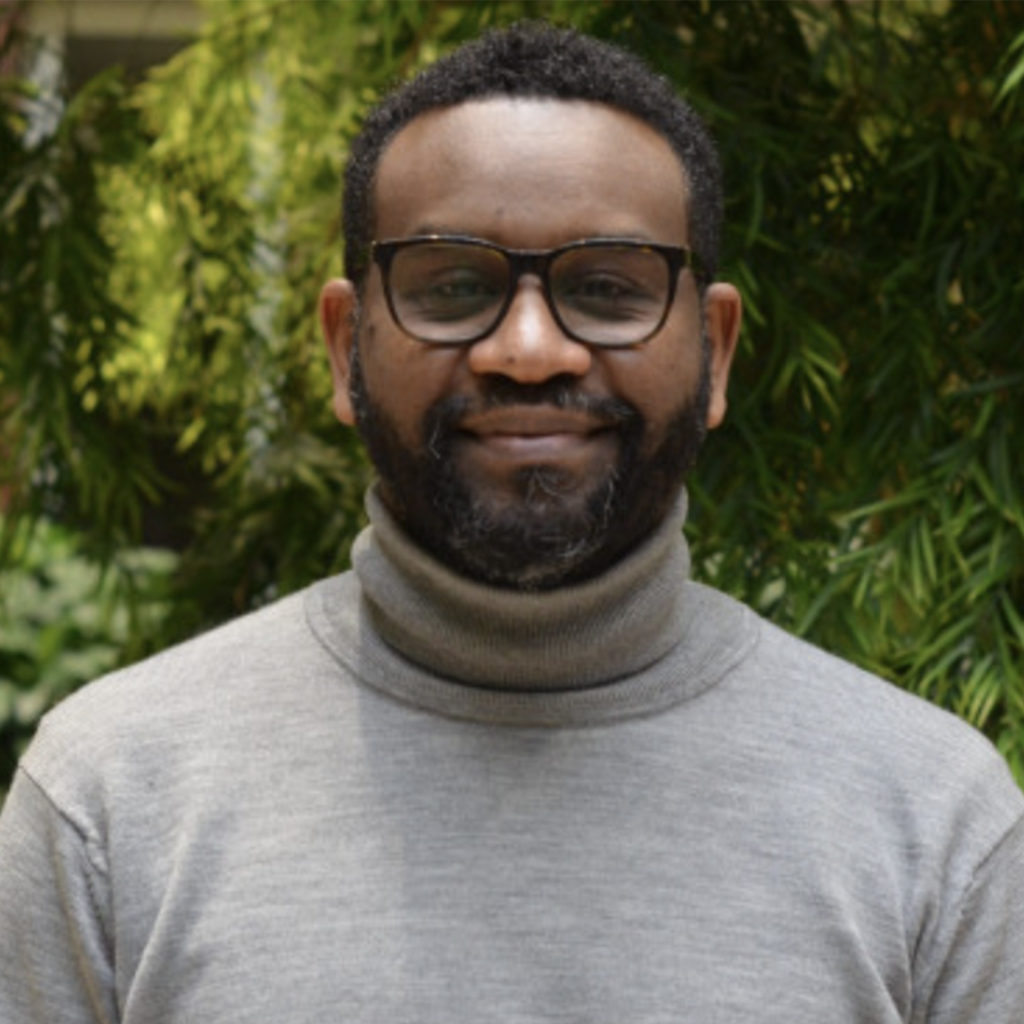
Dr. Yousif Hassan is an Assistant Professor in the Gerald R. Ford School of Public Policy, University of Michigan, USA. Previously, he was Illinois Distinguished Postdoctoral Fellow and Research Associate in the School of Information Sciences at the University of Illinois Urbana-Champaign, USA, and a research fellow at the Harvard Kennedy School, Harvard University, USA. His research examines the relationship between race, digital technology, and technoscientific capitalism. Dr. Hassan’s work is at the intersection of social and racial justice, and technology policy focusing on the social, economic, and political implications of emerging technologies including artificial intelligence (AI) and data. His most recent project investigates the sociotechnical knowledge production practices of the state, scientists, and the tech industry focusing on the development of AI and its innovation ecosystem across multiple African countries.

Fenna Nijboer is a PhD candidate at the Erasmus School of Health Policy and Management in Rotterdam, part of the Workforce program and Health Care Governance section. Her work focuses on how the “assetization” of care manifests itself as a socio-economic and technical phenomenon. Her research revolves around infrastructures of healthcare, the political-economy of healthcare, workforce and inequalities. At Erasmus AiPact, she focused on how digital platforms shape work practices, professionalism and governance, discussing the "self-assization" of careworkers. Her research combines a critical sociological perspective with insights from Science and Technology Studies (STS).

Dr. Michael Richardson is a writer, researcher, and teacher living and working on Gadigal and Bidjigal country in Sydney, Australia. He is an Associate Professor in Media and Culture at UNSW, where he co-directs the Media Futures Hub and the Autonomous Media Lab, and an Associate Investigator with the ARC Centre of Excellence on Automated Decision-Making + Society. His research examines technology, power, witnessing, trauma, and affect in contexts of war, security, and surveillance. His latest book is Nonhuman Witnessing: War, Data, and Ecology after the End of the World (Duke University Press, 2024).

Eleyan Sawafta is a PhD student and graduate research assistant in the Department of Political Science at the University of Alberta with interdisciplinary training in engineering and politics. He holds an MA in Conflict Studies from the University of North Carolina, an MA in Political Planning and Development, and a BA in Engineering from An-Najah National University in Palestine. Currently, he works as a Canada Highly Qualified Personnel (HQP) on the Digital Platform Modernization and Transformation (DPMT) initiative, analyzing how large-scale digital infrastructures shape governance, risk, and belonging. His interests span technoscience, migration, social movements, and infrastructure studies.

Arafaat Valiani's current intellectual interests focus on ethical questions of decolonization regarding biomedicine, global health and data, specifically genetics, human genomics and precision medicine and how these intersect with difference and equity among South Asians in the Indian subcontinent and Canadian diaspora, and marginalized peoples in the global North.
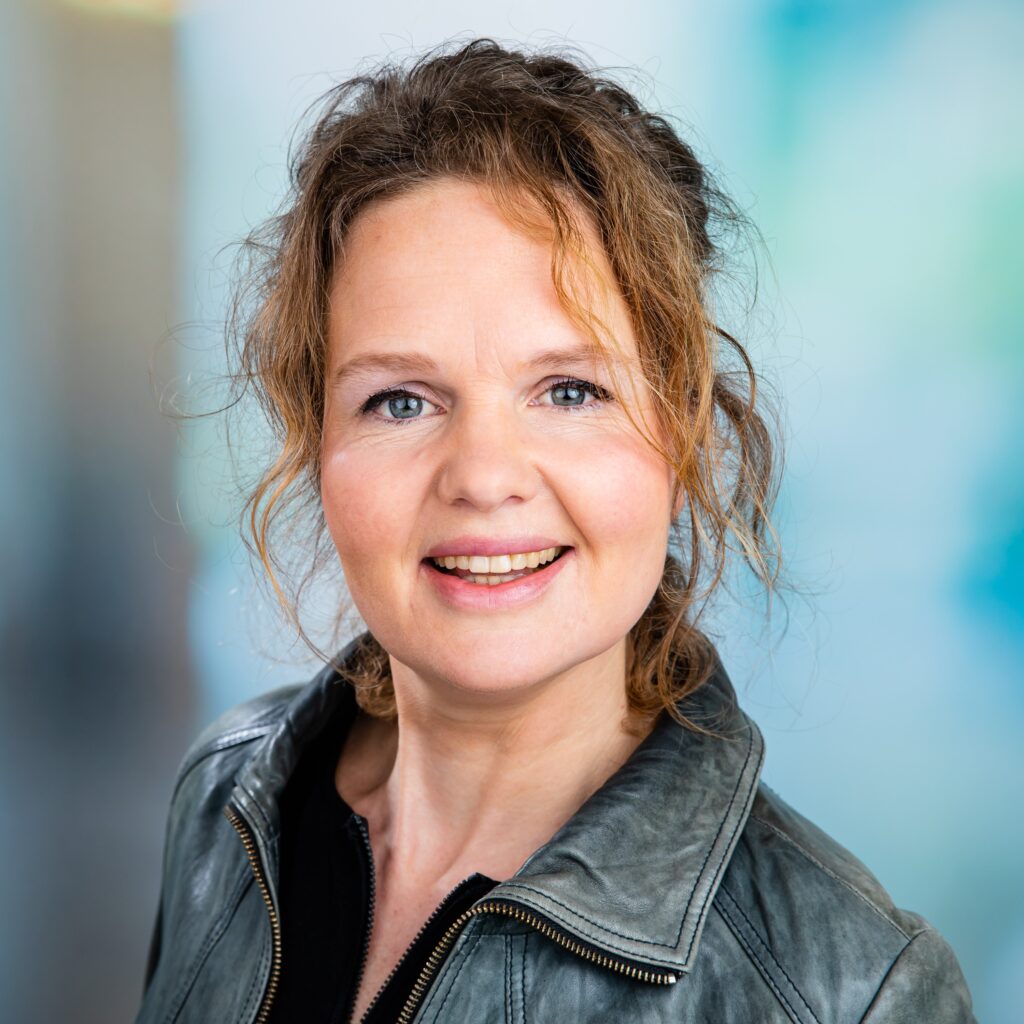
Dr. Iris Wallenburg is professor in Sociology of Care at the Erasmus University Rotterdam (Netherlands). Her research revolves around health labor market issues in healthcare, and how social, economic, spatial, and technological innovations impact on (images of) care. Research includes regional cooperation, assetization of care, and the development and deployment of technology. She chairs the research programme on Sustainable HealthCare Workforce, and is academic lead of AiPact, a multidisciplinary program at the Erasmus University, promoting the use of socially relevant artificial intelligence in healthcare. Additionally, she is editor-in-chief of the journal Health Economics Policy and Law (HEPL, Cambridge University Press).

Dr. Vedran Zerjav is Professor of Project Management at NTNU with extensive international experience, having held full-time academic appointments in four European countries. He is passionate about working across disciplines and sectors, bridging academia, industry, and policy through active engagement in collaborative initiatives. His research broadly focuses on major projects, particularly in the domain of infrastructure, and he has served as Principal Investigator for projects funded by national research councils, professional bodies, and industry. Since 2020, he has served as Associate Editor for the International Journal of Project Management, the leading academic journal in the field.