
Research Clusters
Research at the Institute for Technoscience & Society (ITS) is organized and coordinated through four thematic clusters. Each thematic cluster has a 'lead' who coordinates activities and contributes to the governance of ITS. Members of ITS are welcome to belong to as many thematic clusters as they wish. More information about each cluster can be found on their individual webpages:
- Technoscientific Injustices: what are the implications of emerging technoscience? How do the impact different social groups? How can we create just and inclusive science and technologies?
- Technoscientific Economies: how are science and technology entangled with our economies? What kinds of innovation should we promote? How can we support more responsible innovation?
- Technoscientific Pasts & Futures: how is the future of science and technology bound up with our pasts? How does the past help us to develop hopeful visions of and policies for the future?
- Technoscientific Bodies & Minds: what are the societal implications of prevailing understandings of health risks, diseases, and healthcare delivery? Do these prevailing understandings reinforce social injustices, inequities, and divisions?
Technoscientific Injustices
There is an enormous amount of interest in the implications of emerging technoscience, whether it is algorithmic systems, biotechnologies, low-carbon technologies, or environmental services. Technoscience is not neutral, and this Thematic Cluster will focus on the social inequities that come with new technoscience and ways to resolve these injustices.
Technoscientific Injustices: Cluster Lead: Professor Melanie Baljko
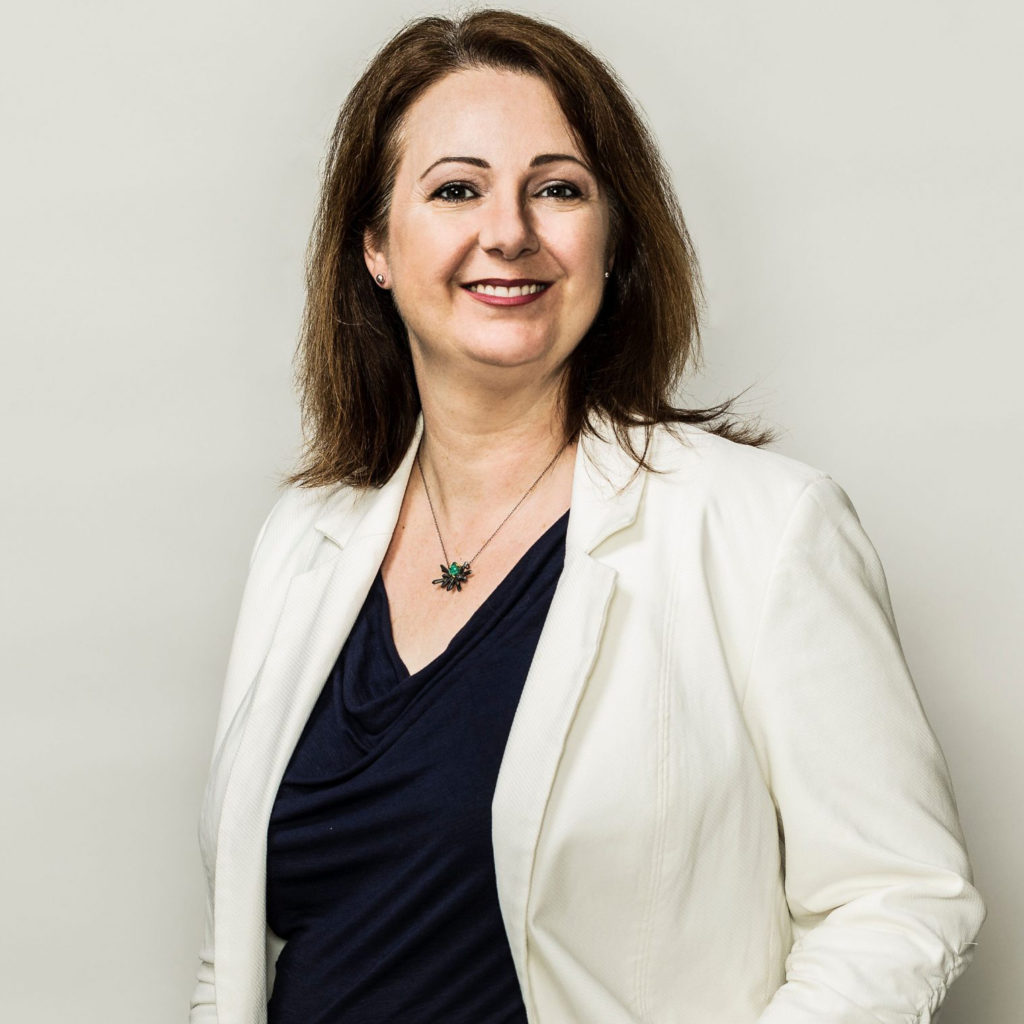
Dr. Melanie Baljko is an Associate Professor in the Department of Electrical Engineering and Computer Science in Lassonde School of Engineering at York University. She is the director of Practices in Enabling Technologies (PiET) Lab. Her research interest includes human-centered Dr Melanie Baljko is the director of the Practices in Enabling Technologies (PiET) lab at York University, where she directs a transdisciplinary program of research to create and mobilize knowledge about the creation, development, and consequences of digital media/technology in its social contexts, with a particular focus on the diversity of bodies and minds and the just exercise of power. Her projects employ hybrid research-design approaches, including Research through Design (RtD), co-design, and software and interactive device design. She is a member of the graduate program in Science and Technology Studies, with a primary appointment as associate professor in the Department of Electrical Engineering and Computer Science at York University, and graduate appointments in Digital Media and Critical Disability Studies.
Technoscientific Economies
Technoscience is thoroughly entangled with our economies, incentivizing the development of certain technologies at the expense of others (e.g. autonomous vehicles over public transit). This Thematic Cluster will focus on the ways that economic processes shape technological innovation and how technologies shape the economy.
Tehnoscientific Economies: Co-Cluster Leads: Elisha Lim & Antulio Rosales

Dr. Elisha Lim (they/them) is an Assistant Professor of the Technological Humanities at York University and researches the intersection of social media platforms, theology and critical race theory. Lim is currently working on a book called Pious about how corporate algorithms drive vigilant conduct.

Dr. Antulio Rosales is an Assistant Professor in the Department of Social Science, Business and Society program, at York University. His research interests focuses on international and comparative political economy, natural resource extraction/environmental politics, and global development. Antulio's new research agenda is concerned with the expansion of emerging financial assets such as cryptocurrencies and their linkage to energy infrastructures and political incentives in the Global South. His current research project deals with the infrastructure, energy, and policy incentives for the expansion of cryptocurrencies in Latin America, especially in Venezuela, El Salvador, Argentina, and Puerto Rico.
Technoscientific Pasts & Futures
Understanding the future of technoscience and society is bound up with understanding our technoscientific pasts. It is important to learn from the history of science, technology, and innovation to find ways to develop more inclusive and sustainable technologies. This Thematic Cluster will focus on connecting technoscientific histories with their hopeful futures.
Technoscientific Pasts & Futures: Cluster Lead: Alexandra Widmer

Dr. Alexandra Widmer is an Associate Professor in the Anthropology Department. She has held a research scholar position at the Max Planck Institute for the History of Science in Berlin. Her research interests are Colonial and postcolonial science and medicine; Indigeneity and well-being; reproductive justice and critical studies of demography and population control; digital health; precision medicine; critical microbiome studies; and science in food cultures.
Technoscientific Bodies & Minds
How we understand health and illness is defined by technoscience; they reframe our understandings of health risks, diseases, and healthcare delivery. Much of this reflects existing social divisions. This Thematic Cluster will focus on the ways that technoscience interacts with our bodies and minds to explore how biomedical knowledge and materialities are socially produced.
Technoscientific Bodies & Minds: Cluster Lead: Gabi Schaffzin
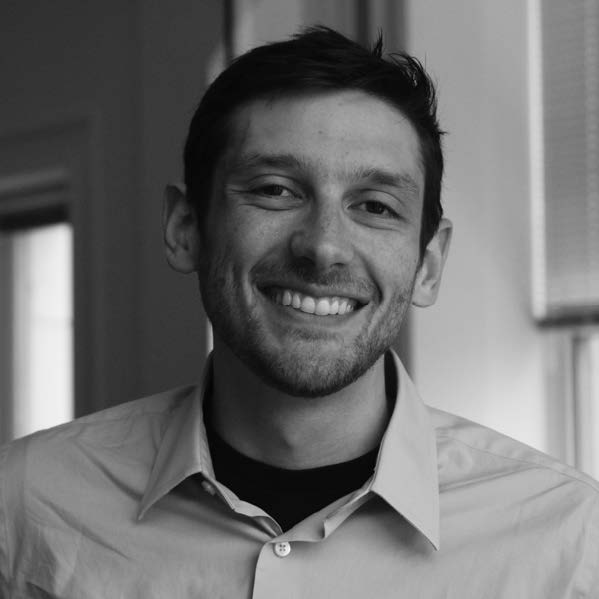
Dr. Gabi Schaffzin is an artist, educator, and researcher based in Toronto. He is currently an Assistant Professor in the Department of Design at York University's School of Arts, Media, Performance, and Design. He holds a PhD in Art History, Theory, and Criticism from the University of California San Diego and an MFA from the Massachusetts College of Art & Design's Dynamic Media Institute. His current research project combines design history, disability studies, and a history of computing to trace the history of designed pain scales throughout the 20th century.
Members:
Visiting Scholars
We welcome inquiries from academics (and others) who are interested in visiting ITS for short and long periods of time, from a week to a year. Current and past visitors to ITS can be found here.