
The Nellie Langford Rowell Library was organized as, and continues to be, an inclusive, friendly, and safe space and resource for women-identifying and 2SLGBTQIA+ members of both the York University community and the larger community beyond.
Our namesake Nellie Langford Rowell (1874-1968) was an active volunteer on behalf of women and women’s causes. She was mother to the library’s main benefactor, Mary Coyne Rowell Jackman (1904-1994), and grandmother to our current benefactor, Nancy Ruth.
At the Nellie, we have the resources to support your studies and research. Our diverse collection of books, periodicals, and archival materials focuses on women, feminism, the women’s movement, gender & women’s studies, anti-racism, sexuality studies, Indigenous studies, and more.
Please read our Land Acknowledgment which recognizes the unique and enduring relationship of Indigenous people and their traditional territory.
21,500+
books in our collection.
90+
periodicals, magazines & newsletters.
1000+
current and historical items in our Broadside Boxes.
35+
years serving the York University community.
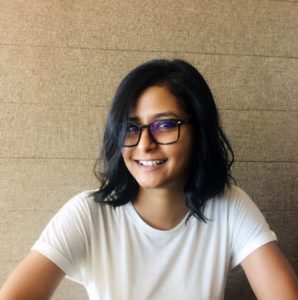
I met the staff at The Nellie for the first time in a virtual Nellie Café, and yet, they made me feel at home right away. Professor Blondeau and the student staff are warm, friendly, and extremely helpful. I learned a lot about how to use the library website for conducting research at the virtual workshops hosted by The Nellie. It is also one of the best quiet study spots on campus.
— Deea Deb, Specialized Hons, English & Professional Writing