
Post
Published on November 25, 2025
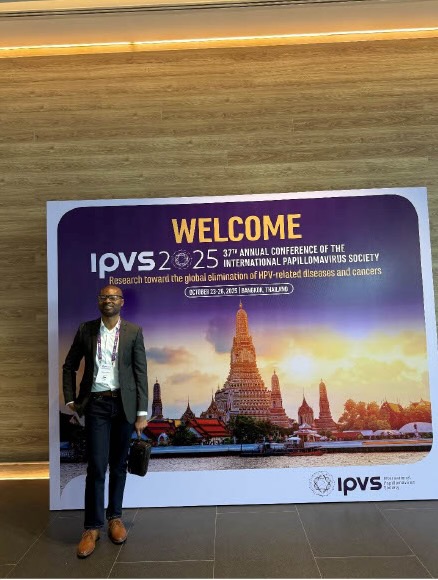
The International Papillomavirus Society (IPVS) 37th annual conference was held in October 2025 in Bangkok, Thailand. IPVS 2025 underscored the need for integrated and equitable approaches to eradicate HPV-related diseases globally, advocating sustained investment in vaccine access, context-specific research, and robust governance to ensure lasting impact.
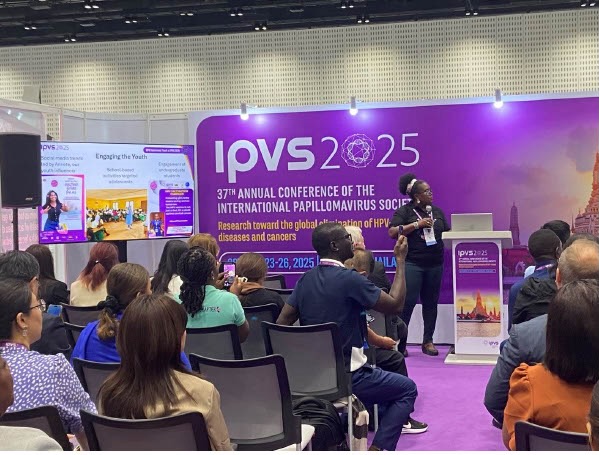
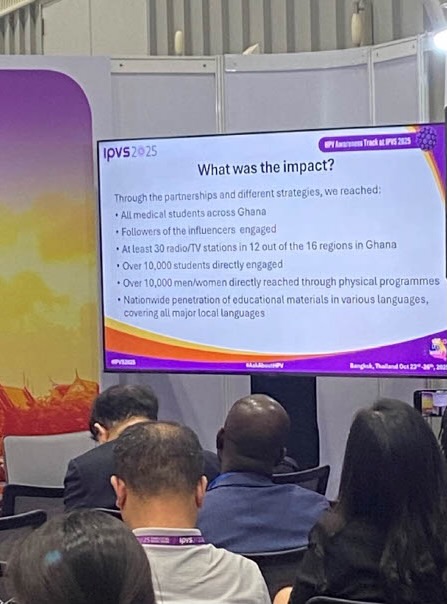
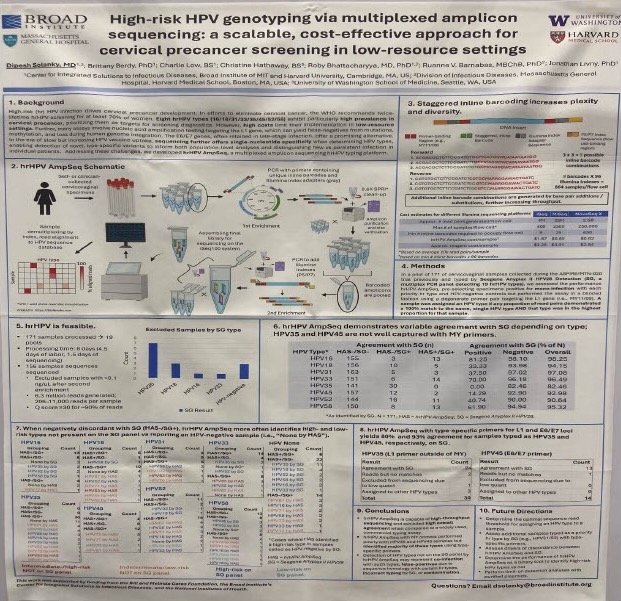
This year's conference brought together experts in HPV research, public health policy, and cancer prevention to share advances and promote collaboration, emphasizing challenges and innovations in low- and middle-income countries. Some of the conference presentations addressed vaccine effectiveness, therapeutic HPV vaccines, and advances in diagnostics with a particular emphasis on genotype-specific studies relevant to regional contexts in Africa and Asia.
My objectives included engaging with experts on vaccine access in LMICs (especially in Africa), connecting with researchers focused on HPV vaccination policy and policy innovation, and attending the two-day Implementation Science Bootcamp/workshop. This is a new research interest for me, given its implications for improving HPV vaccine access.
The Implementation Science Workshop provided a practical and interactive environment for researchers, policymakers, and practitioners to ask questions, discuss the strengths and weaknesses of IS models, frameworks, and theories, and learn how to hybridize for effective outcomes. It facilitated in-depth discussions on translating HPV-related scientific evidence into real-world programs and policy actions. The workshop focused on addressing the "know-do gap" in cervical cancer prevention, especially in low-resource settings. I plan to adapt these models for my ongoing projects in underserved regions, particularly in Sub-Saharan Africa (SSA). I look forward to using the frameworks and insights from the workshop to inform my next grant application.
As a member of the Ghana IPVS Chapter, the conference also enabled valuable engagement with fellow members in attendance. The interactions paved the way for us to discuss important research topics relevant to Ghana and other SSA countries.
This conference experience was made possible through the generous financial support of DIGHR. I am deeply grateful for this opportunity, which has had a significant impact on my professional development.

Themes | Global Health Foresighting |
Status | Active |
Related Work |
N/A
|
Updates |
N/A
|
People |
You may also be interested in...
Recap – Navigating Complexities: Indigenous health, public policy, and intergovernmental collaboration
On Wednesday, April 1, Dr. Sandra Romain, Medical Anthropologist and senior policy leader in the Government of Canada, led a lecture on navigating the complexities of Indigenous health, public policy, and intergovernmental collaboration. Dr. Romain ...Read more about this Post
Internship Program: 2022-2023 Year In Review
Over the course of the 2022-2023 academic year, the Dahdaleh Institute worked with numerous exceptional students through an Internship Program. Our Global Health Interns benefited from the unique opportunity to participate in various of stages of ...Read more about this Post
DI Scholar Awarded for Best Student Poster During CUGH2026
Authored by Dahdaleh Global Health Graduate Scholar Yvette NKURUNZIZA From April 8, 2026 to April 12, 2026; I participated during the Consortium of Universities for Global Health (CUGH) Annual Conference, held at the Hilton Hotel ...Read more about this Post