
Post
Published on September 30, 2024
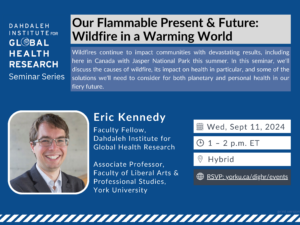
On September 11, 2024, Dahdaleh faculty fellow and Associate Professor at York University Eric Kennedy delved into wildfire management within the context of climate change focusing on how communities and governments can adapt to increasing frequency and intensity of wildfires.
Dr. Kennedy began by emphasizing that wildfire is a natural and necessary part of many ecosystems particularly in Canada, where half of the wildfires are caused naturally by lightning. He explained that many forests depend on fire for their regeneration. For example, species with "serotinous cones," such as certain pine trees, require fire to open their seeds and reproduce. Dr. Kennedy also highlighted the use of fire by Indigenous communities for land management, which is a practice largely suppressed during colonization, leading to the accumulation of fuel that now exacerbates modern wildfires.
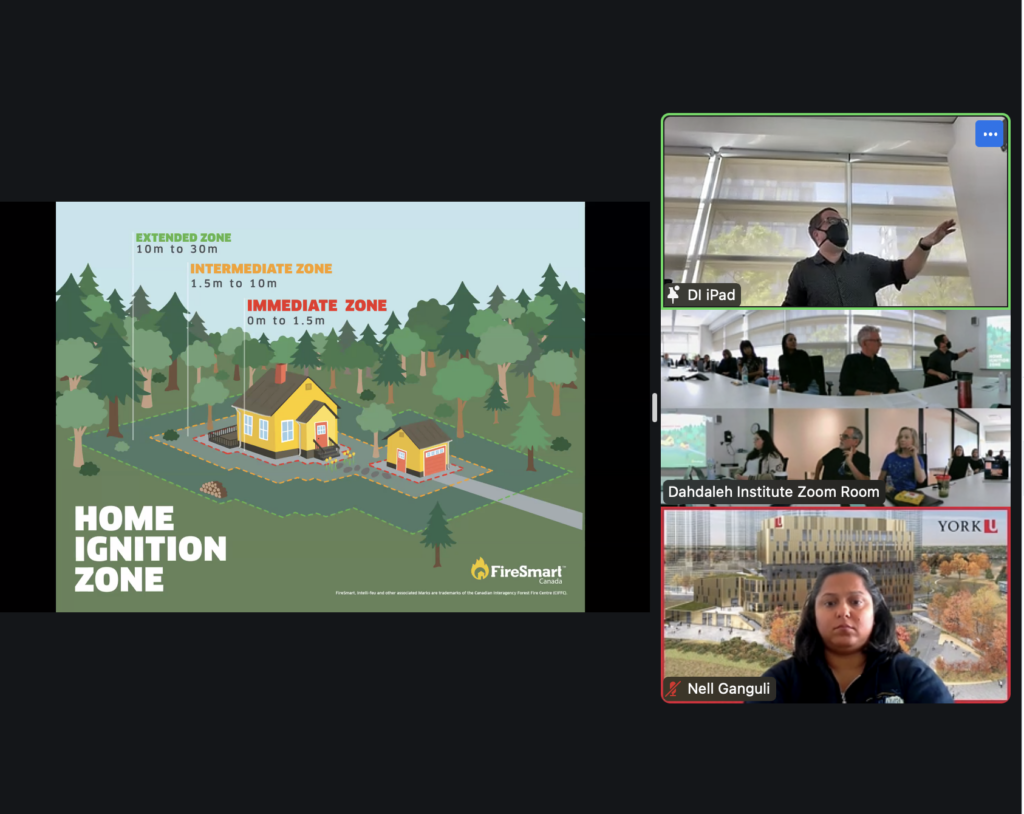
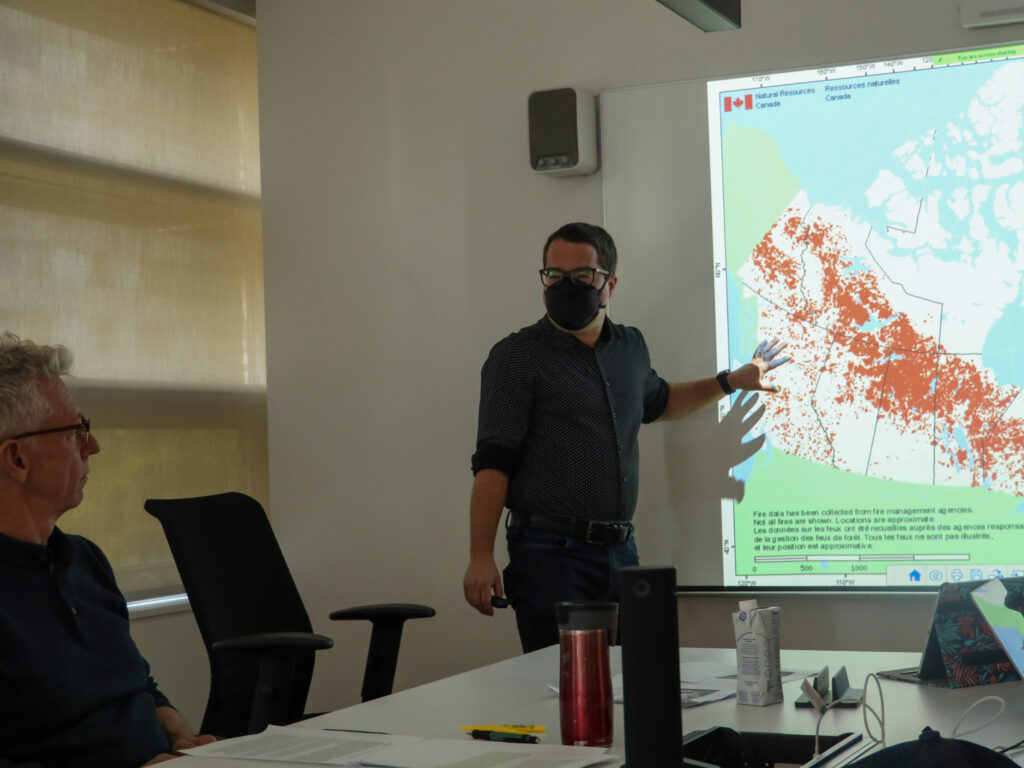
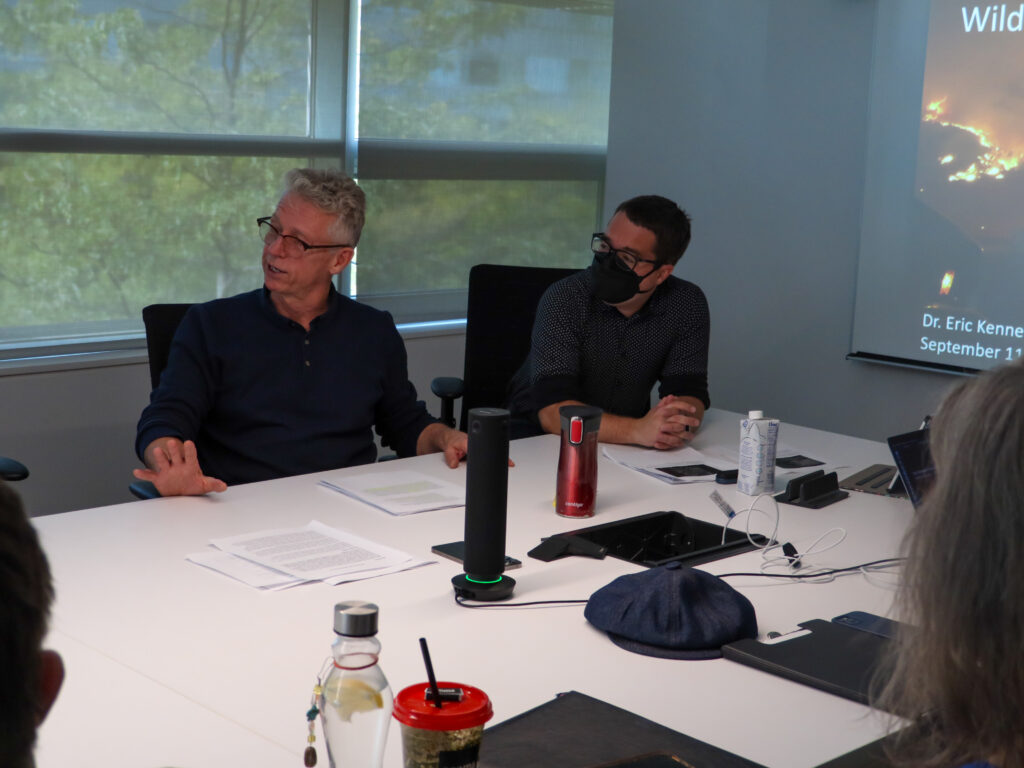
While fires are natural, Dr. Kennedy argued that the scale and frequency of wildfires today – and their impacts on our communities – are significant. He illustrated this by referencing the 2023 wildfire season in Canada, which burned an astounding 18.5 million hectares, a distinct contrast to the typical annual average of 1-2 million hectares. This increase was driven by many factors, including location and weather. However, these massive fires emitted significant carbon into the atmosphere, contributing to a global feedback loop of climate change.
Dr. Kennedy also discussed the challenges of fighting wildfires, noting the increasing intensity of fires, driven by climate change, making them nearly impossible to combat. He referenced Australia’s "catastrophic" fire danger category, where authorities now advise citizens to evacuate early rather than attempt to defend their homes. Similarly, he described the tragic 2016 Fort McMurray fire, where entire neighborhoods were lost, and the limitations of current firefighting capabilities became evident. The seminar concluded by stressing the importance of changing how society thinks about fire, moving away from full suppression toward living with and managing fire as a natural part of the environment.
Watch the seminar presentation below: https://youtu.be/Mv-9sZLxIps
Themes | Planetary Health |
Status | Active |
Related Work |
N/A
|
Updates |
N/A
|
People |
You may also be interested in...
2024 Year in Review
Thank you for your continued support, engagement, and invaluable contributions to our global health research community here at the Dahdaleh Institute. Happy holidays and cheers to a new year! 1. Nineteen Exceptional Scholars Awarded 2024-2025 Dahdaleh ...Read more about this Post
The Dahdaleh Institute to Cohost the Upcoming 2023 Radboud Conference on Earth System Governance
The Dahdaleh Institute for Global Health Research at York University are proud to be co-hosting partners of the 2023 Radboud Conference on Earth System Governance (ESG) – ESG research seeks to explore political solutions and ...Read more about this Post
Recap — Connecting Our Work to Movements for Social Justice: Critical Perspectives in Global Health Symposium
How should global health researchers understand the world, define their values, and act collectively in the face of profound inequity? These were amongst the questions that framed this year’s Critical Social Science Perspectives in Global ...Read more about this Post