
Post
Published on November 25, 2024
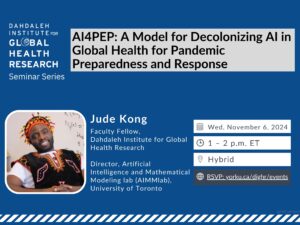
On November 6, Dahdaleh faculty fellow Professor Jude Kong presented an overview of his work in developing and implementing decolonized Artificial Intelligence (AI) frameworks, particularly within public health contexts across Africa and the Global South. He began by detailing the structure and reach of his network, which spans 21 countries, emphasizing the value of consistent communication and collaboration among members. This community centered approach which contributes to knowledge sharing and the adoption of effective strategies tailored to local needs.
Professor Kong introduced the three foundational pillars of his work which includes ensuring timely and reliable health data, strengthening healthcare systems and promoting the inclusion and equity of vulnerable groups. He highlighted the proactive nature of AI driven solutions, such as early warning systems to prevent disease outbreaks, which are crucial for neglected communities that often receive attention only when crises escalate.
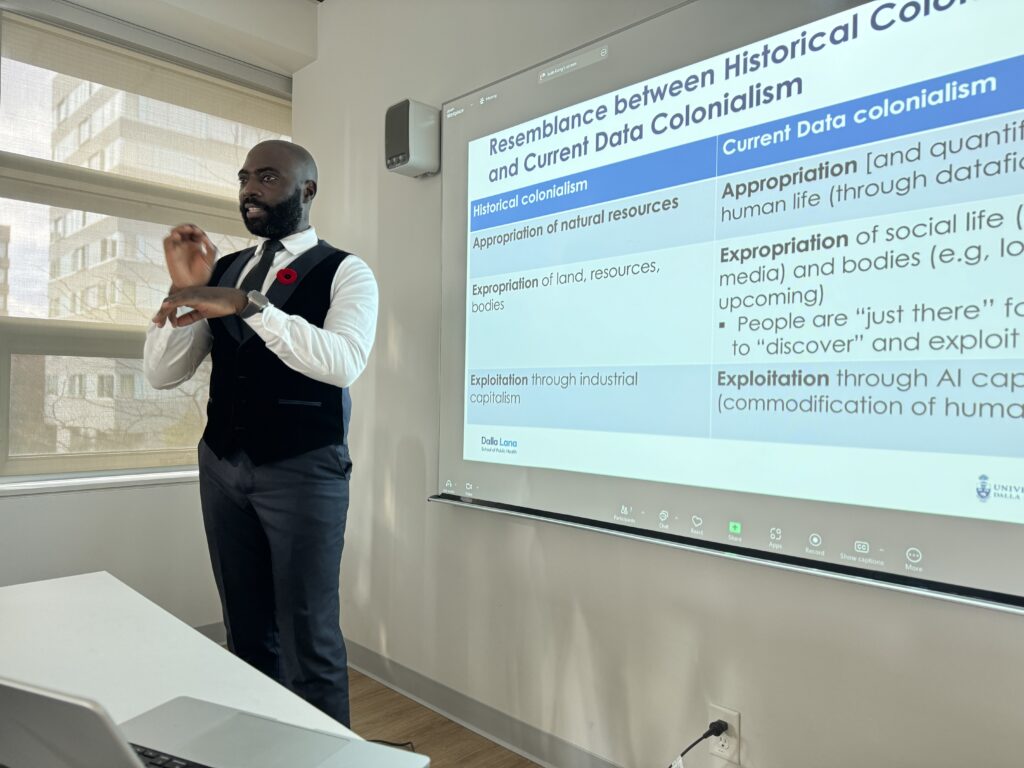
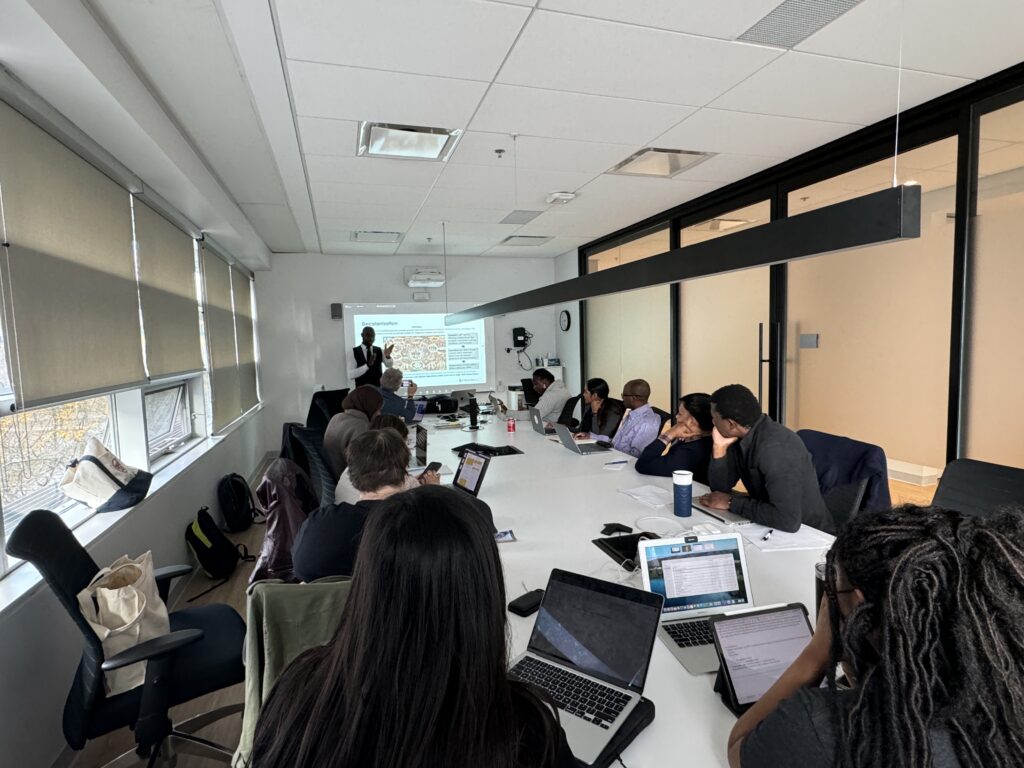

One of the core concepts Professor Kong explored was the decolonization of AI. He defined this as dismantling historical colonial structures that influence technology and emphasized the need for locally relevant and co-created solutions. This requires engaging communities throughout the AI development process, from data collection to model validation. He stressed the importance of understanding community needs, collaborating with local stakeholders and ensuring solutions are culturally and contextually appropriate to avoid stigmatization or ineffectiveness.
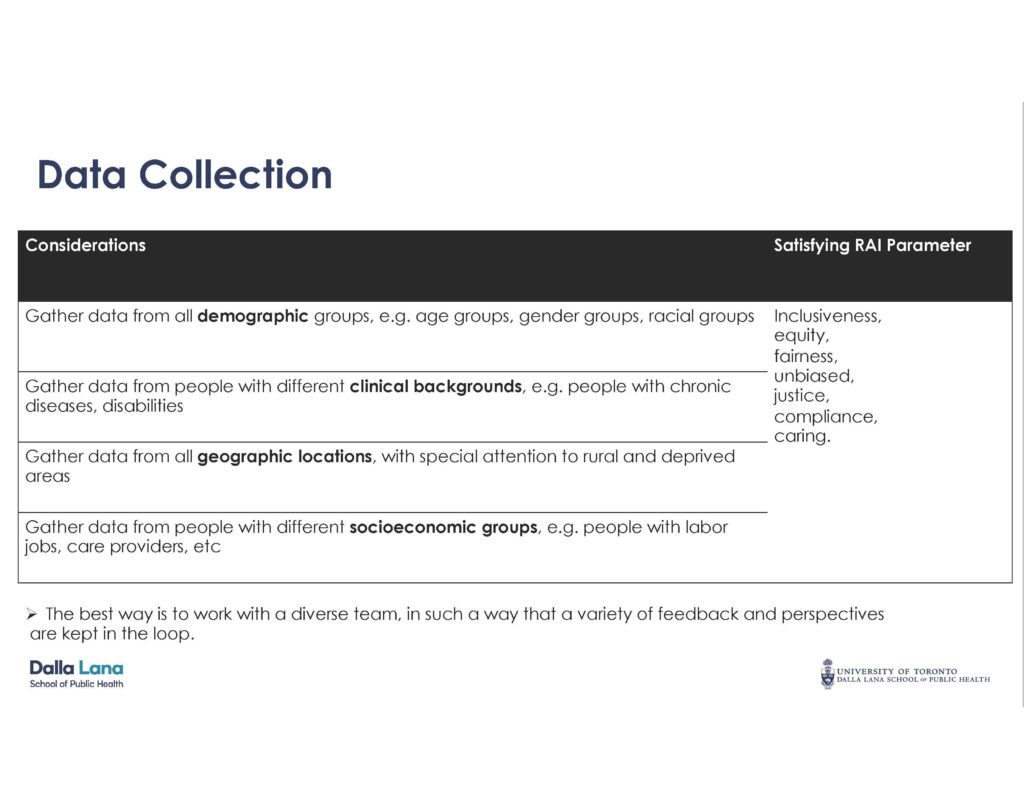
Addressing Bias and Decolonization in the Machine Learning (ML) Pipeline: A Stage-Wise Framework
To systematically reduce bias and ensure that ML solutions are inclusive, equitable, fair, and aligned with principles of decolonization, each stage of the ML pipeline must incorporate specific responsible practices. Below is a structured framework for achieving these goals:
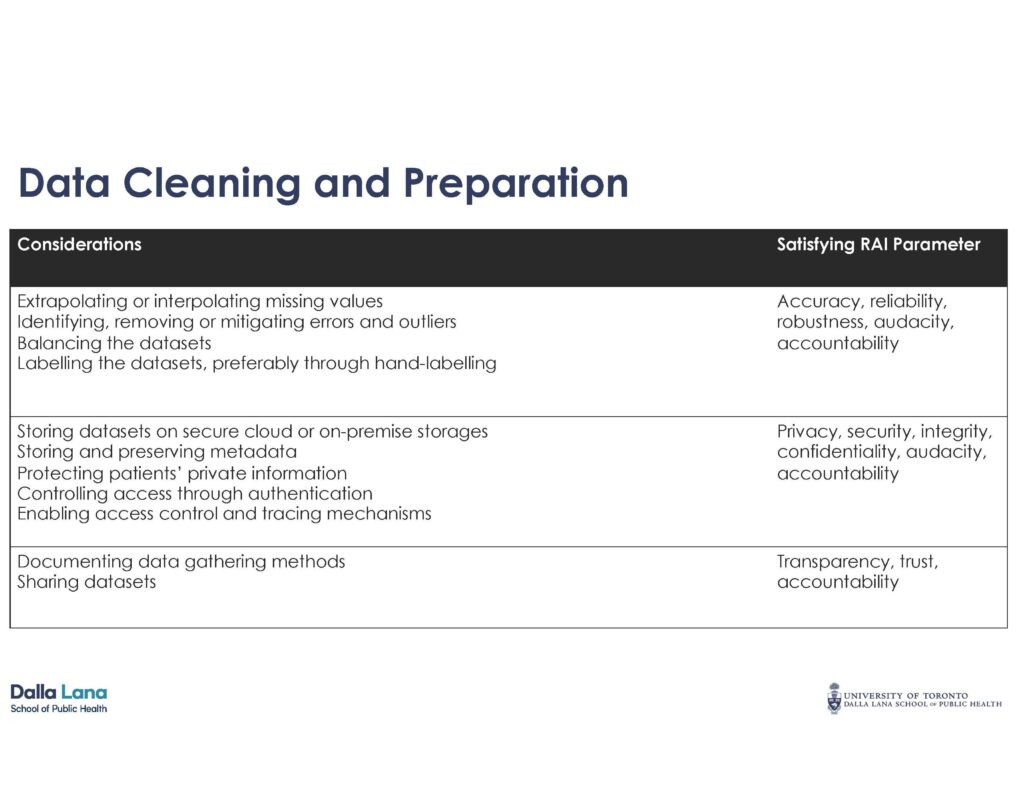
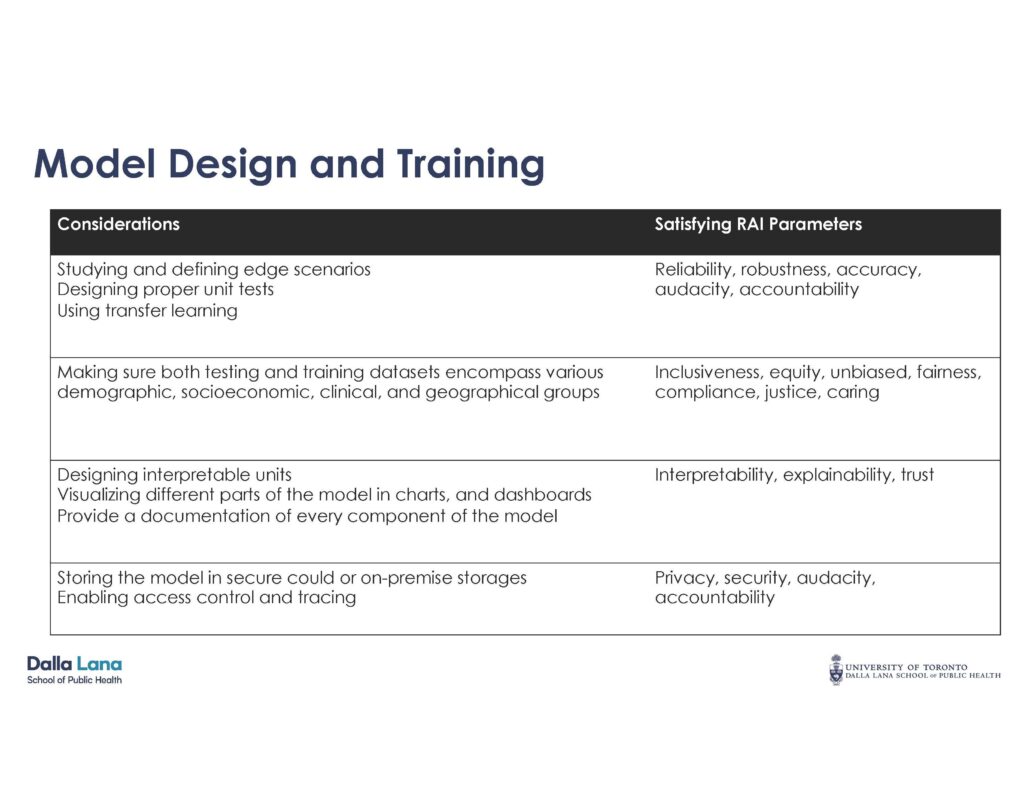
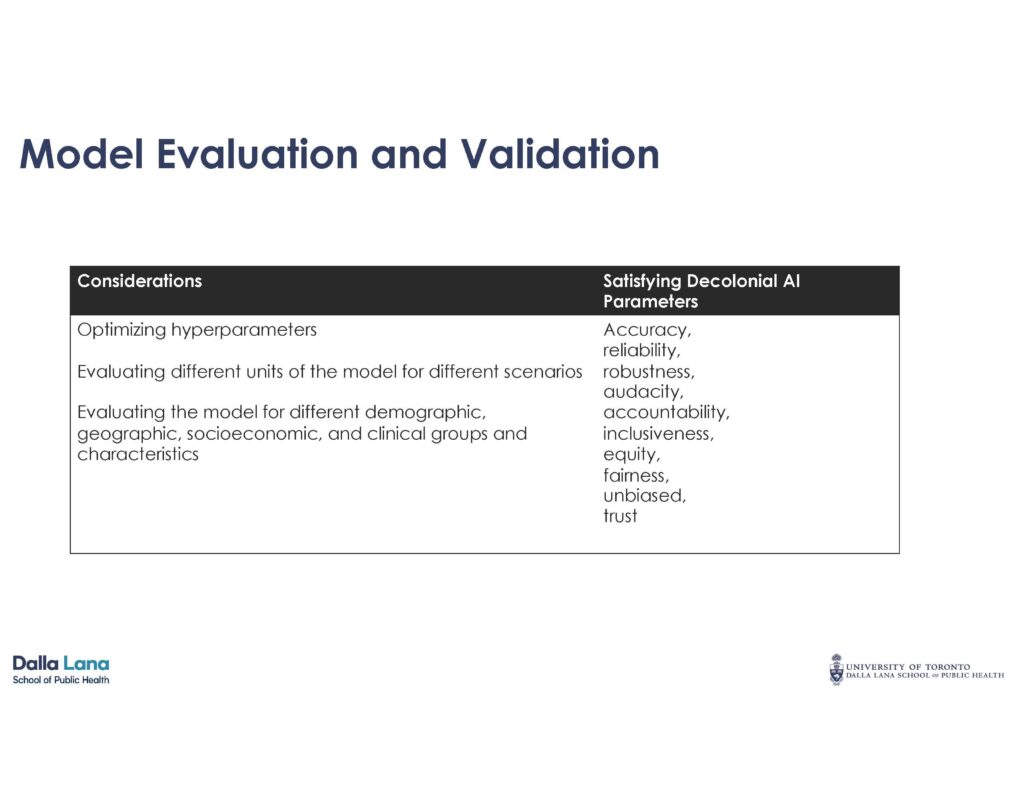
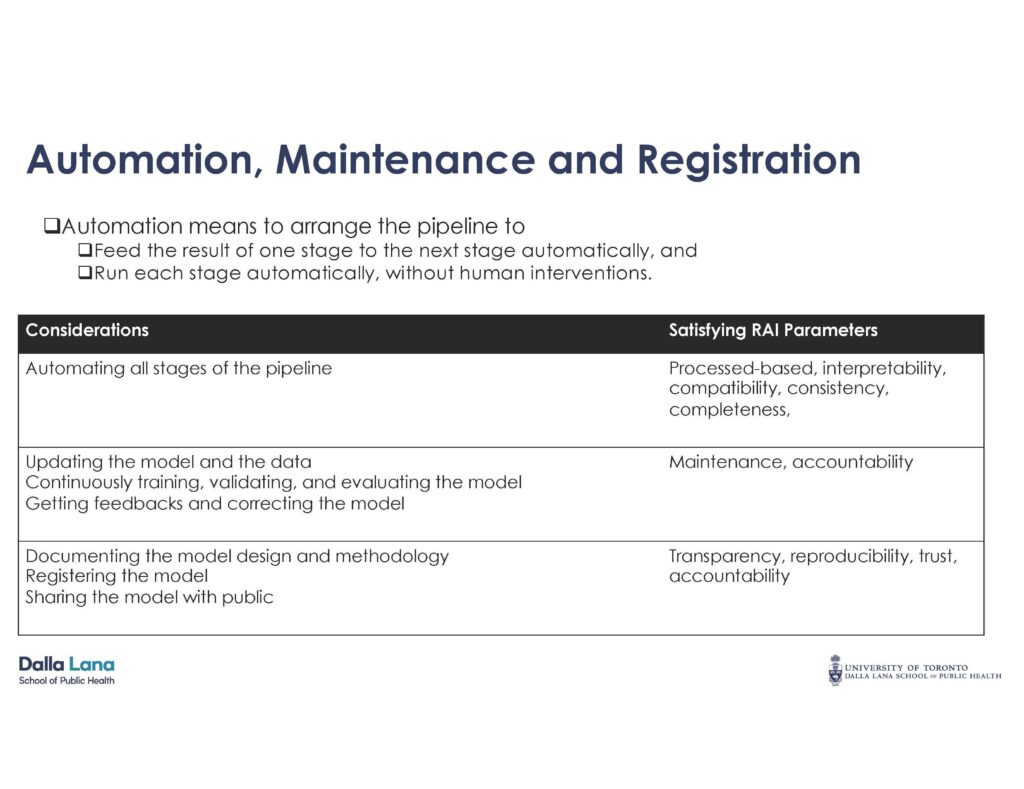
Professor Kong explained the practical application of these principles with case studies, such as tools for early detection of acute paralysis in Ethiopia, a fake news detection system adopted in Brazil and mosquito surveillance technology in Ghana. He concluded by discussing sustainability, noting the important role of governments in adopting and funding these technologies. Through this seminar, Professor Kong presented the significance of a decolonized approach to AI, where community involvement and localized data are central to creating sustainable and impactful solutions in public health.
Watch the seminar presentation below: https://www.youtube.com/watch?v=RFSj062ZorI
Connect with Jude Kong.
Themes | Global Health & Humanitarianism |
Status | Active |
Related Work | |
Updates |
N/A
|
People |
You may also be interested in...
Recap — Addressing HIV/AIDS Among Women in Asia Pacific: Challenges, Progress and Strategies, with Rajnish Prasad
On February 5, 2025, Dahdaleh community scholar Rajnish Prasad delivered an insightful seminar on Human immunodeficiency virus infection and acquired immune deficiency syndrome (HIV/AIDS) among Women in Asia Pacific. He provided a regional overview of ...Read more about this Post
2024 World Health Assembly Recap
Last month, the 2024 World Health Assembly Simulation held their second annual simulation from May 1st to May 3rd at York University. This year's theme of the 2024 WHA SIM was “Toward a One Health ...Read more about this Post
Hot off the Press – Recent Publications by Dahdaleh Institute Researchers
Research by Dahdaleh Institute Research Fellow James Stinson and his partners has been featured as a case study by the Canadian Climate Institute as part of their "Indigenous Perspectives" series, which showcases exemplary Indigenous work ...Read more about this Post