
Post
Published on October 20, 2023
Originally published by YFile (19 October 2023)
By Elaine Smith
Students from York University’s Faculty of Health will once again have the opportunity to engage in a World Health Assembly (WHA) simulation: a chance to experience first-hand how global health policymakers at the World Health Organization (WHO) make decisions.
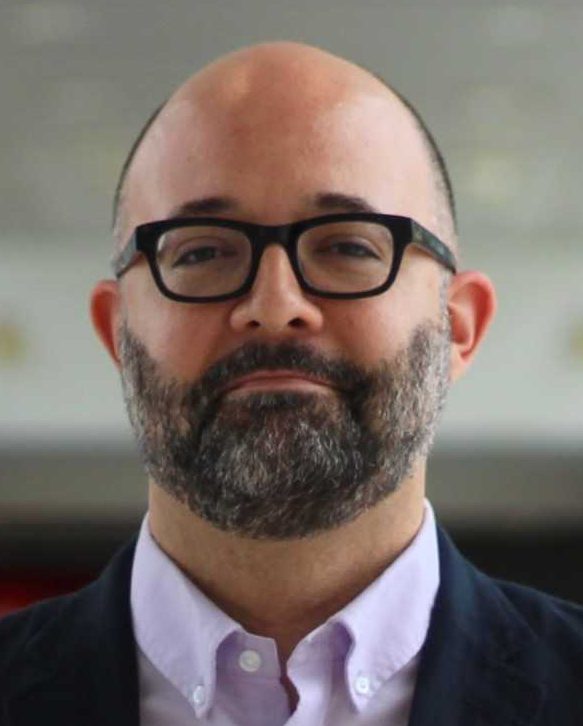
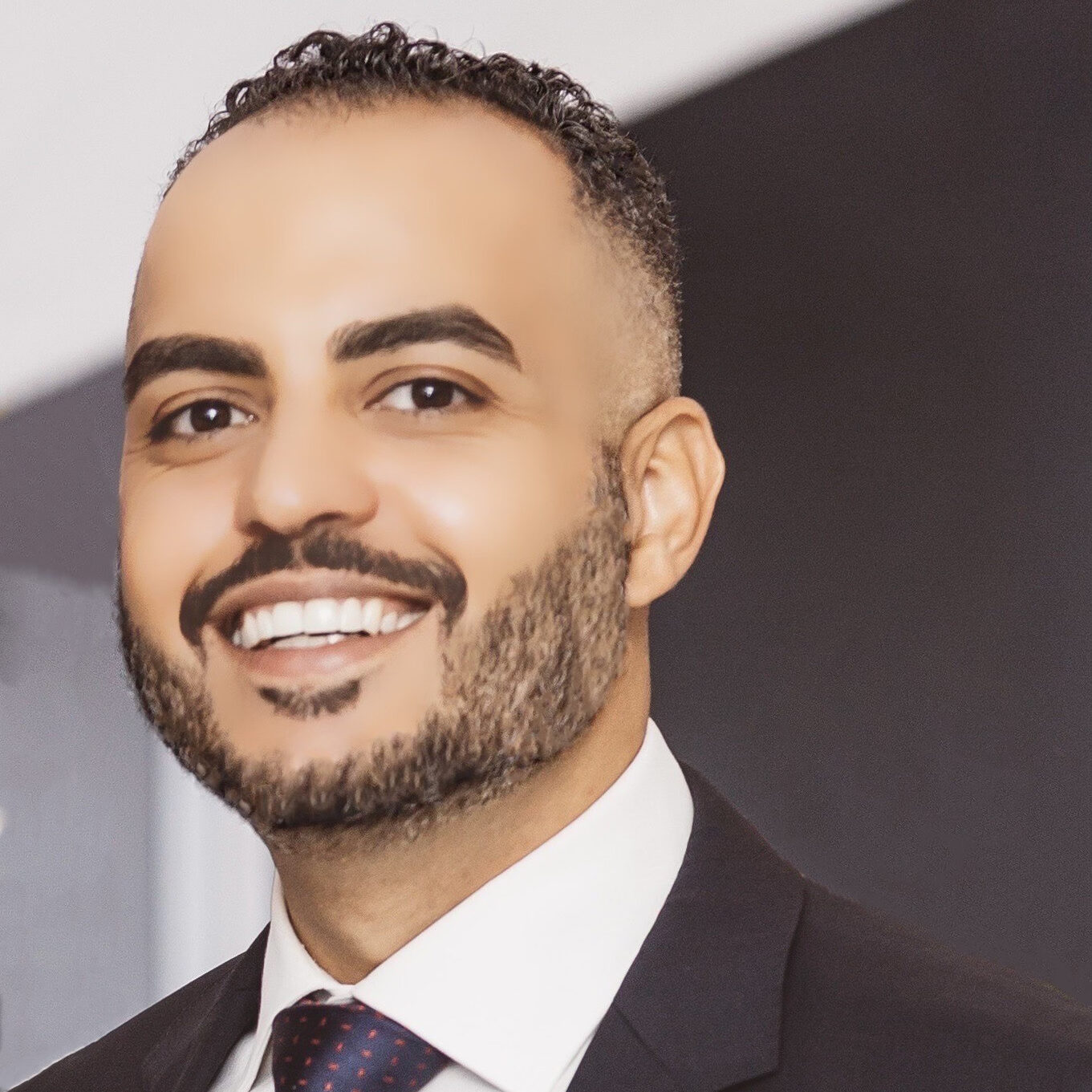
Dr. Ahmad Firas Khalid, a physician and assistant professor at the School of Global Health, created the simulation and ran it to great acclaim for 100 students last May in partnership with Associate Professor Adrian Viens, director of the School of Global Health. As a result, they have slated the second annual WHA simulation for May 1 to 3, 2024, with the theme of One Health.
The simulation provides students with an experiential education (EE) opportunity to understand the workings of the WHO’s supreme governing body, and asks them to consider a current global health issue, participate in a WHA committee, draft a resolution and present it to the entire assembly.

In addition, students are exposed to numerous experts in the field who will offer guidance and share their own experiences. Participants in 2023, for example, were treated to an online address by Dr. Tedros Adhanom Ghebreyesus, director-general of the WHO, and Dr. James Orbinski, a Nobel laureate and director of the Dahdaleh Institute for Global Health Research at York.
“It demonstrates how valuable experiential education is,” said Khalid. “It was so well received that we’ll be making it an annual event. We started working on this year’s simulation the minute the last one ended.”
Khalid and Viens can attest to the value the simulation has for students, based on their research. The pair used a mixed method of study to evaluate the program, an event that was supported by a grant from the Academic Innovation Fund and funds from other donors.
They asked all participants to fill out a pre-assessment survey to evaluate their skills with dialogue, complex problem thinking, communications and use of simulations. Afterward, they conducted semi-structured interviews with 18 participants to determine which of their skills participation improved and how it benefited them. These findings will form the basis of a research paper and will be shared at conferences.
The findings indicated:
- 97 per cent of the participants affirmed the topics covered in the simulation were highly relevant to their current studies, future academic pursuits and prospective career opportunities. This data emphasizes the simulation’s alignment with students’ evolving needs, ensuring they’re well prepared for their future endeavours.
- 86 per cent rated the simulation as “very effective” in showcasing significant global health challenges and issues, illustrating its crucial role in imparting a nuanced understanding of global health dynamics.
- 79 per cent felt the simulation notably enhanced their preparedness for future career paths.
- 70 per cent confirmed the experience positively influenced their ability to apply knowledge in practical scenarios.
- An impressive 98 per cent showed enthusiasm for participating in similar simulations in the future, underscoring the simulation’s significance in meeting students’ aspirations and interests in global health.
“The simulation improved our students’ skill sets in communication, interpersonal skills, time management and collaboration, and it enhanced their understanding of complex issues, filling gaps in their knowledge more effectively than a classroom lecture,” said Khalid. “We’re mimicking the outside world with a structured, informed pedagogical approach.
“You can’t underestimate the simulation’s value in career preparation. I have already heard from two students who took part in 2023 and have decided to pursue master’s degrees in public policy as a result of this experience, something that wasn’t on their radar previously.”
Khalid and Viens have taken the feedback they received during these interviews to improve upon the experience for this year’s participants. They’ll be holding four workshops in the months leading up to the simulation to help students prepare for the negotiating, informed discussion and writing required.
“We want to be innovative in our approach every year and push the envelope,” said Khalid. “We want to push the students to think about both the dominant and the counter-narratives.”
Currently, available funding means that the simulation is capped at 100 students, but Khalid and Viens are working with partners to see if it’s possible to open the door to larger numbers.
Interested students from the Faculty of Health should contact Khalid directly.
Find a complete summary of the WHA SIM 2023 here.
Themes | Global Health Foresighting |
Status | Active |
Related Work |
N/A
|
Updates |
N/A
|
People |
James Orbinski, Director [F17-F24] - Alum
Ahmad Firas Khalid, Faculty Fellow, Faculty of Health - Alum Megan Ann George, Research Associate, Advisor, WHA Simulation 2025 - Alum Sameen Ali, Experiential Learning in Global Health, Global Health Intern [W23] - Alum |
You may also be interested in...
Hot off the Press – Digital Technologies and Food Security During Crisis: Covid-19 Experiences from Smallholder Farmers in Odisha, India
Since the COVID-19 pandemic, approximately 150 million people experienced hunger due to food insecurity. Digital agriculture technology determines accurate and specific risks in food production, providing farmers valuable insights to market conditions of a region ...Read more about this Post
York U profs with Global Strategy Lab push ambitious 1–10–100 unifying goals on antimicrobial resistance ahead of crucial UN meeting
Originally published by News@York (18 September 2024) Researchers share goals of using a One Health-approach, to save 10 million lives and aim for 100 per cent sustainable access to effective antimicrobials in new policy paper ...Read more about this Post
Key Moments from the Trust and Political Sociology of Health Workshop
The "Trust and Political Sociology of Health" research workshop took place on April 4th at the Dahdaleh Institute for Global Health Research, York University. This forum brought together senior and emerging scholars, practitioners, and students ...Read more about this Post