
Post
Published on April 19, 2023
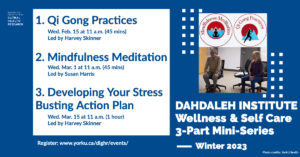
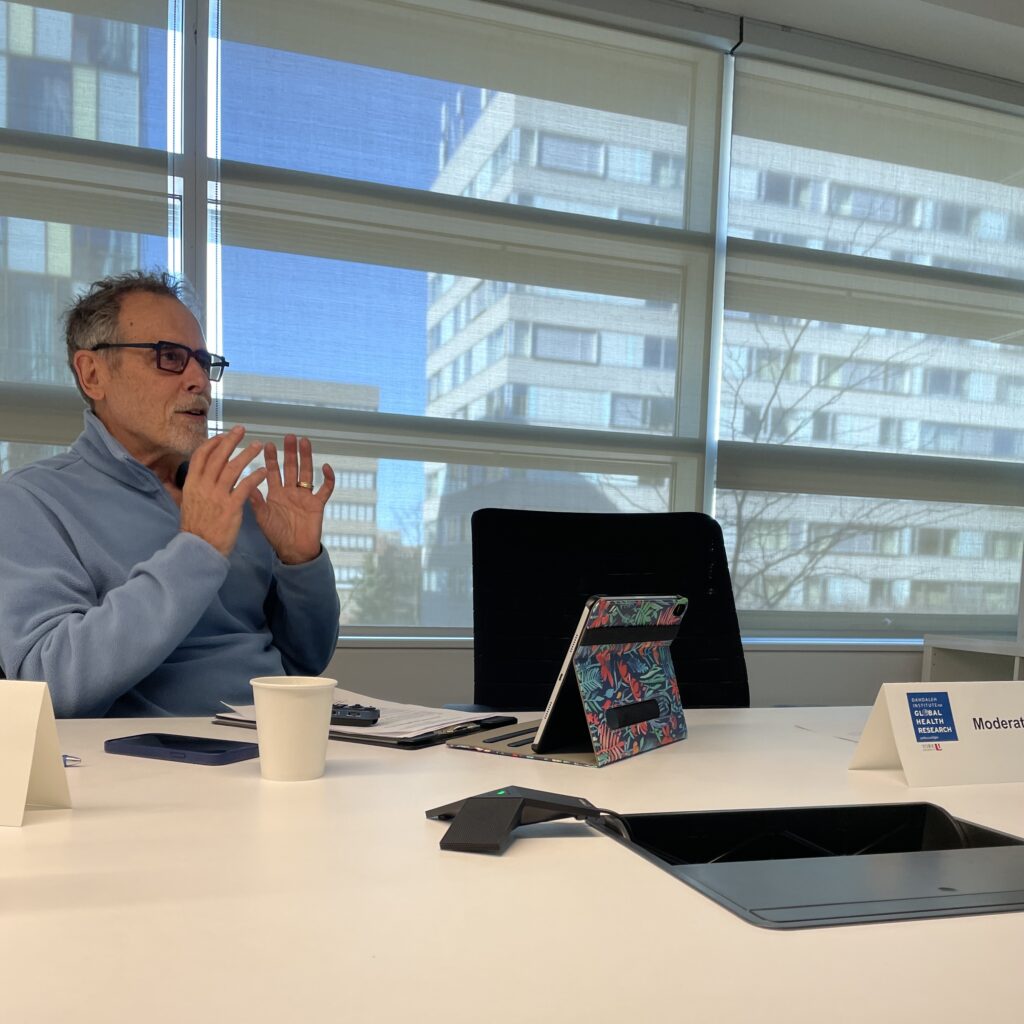
By this time of year, most people have abandoned any New Year’s resolutions they established back in January. On March 15, Prof. Harvey Skinner led the final instalment of the Wellness and Self-Care mini-series at the Dahdaleh Institute. In this session, participants engaged in an hour-long workshop entitled “Developing Your Stress-Busting Action Plan”.
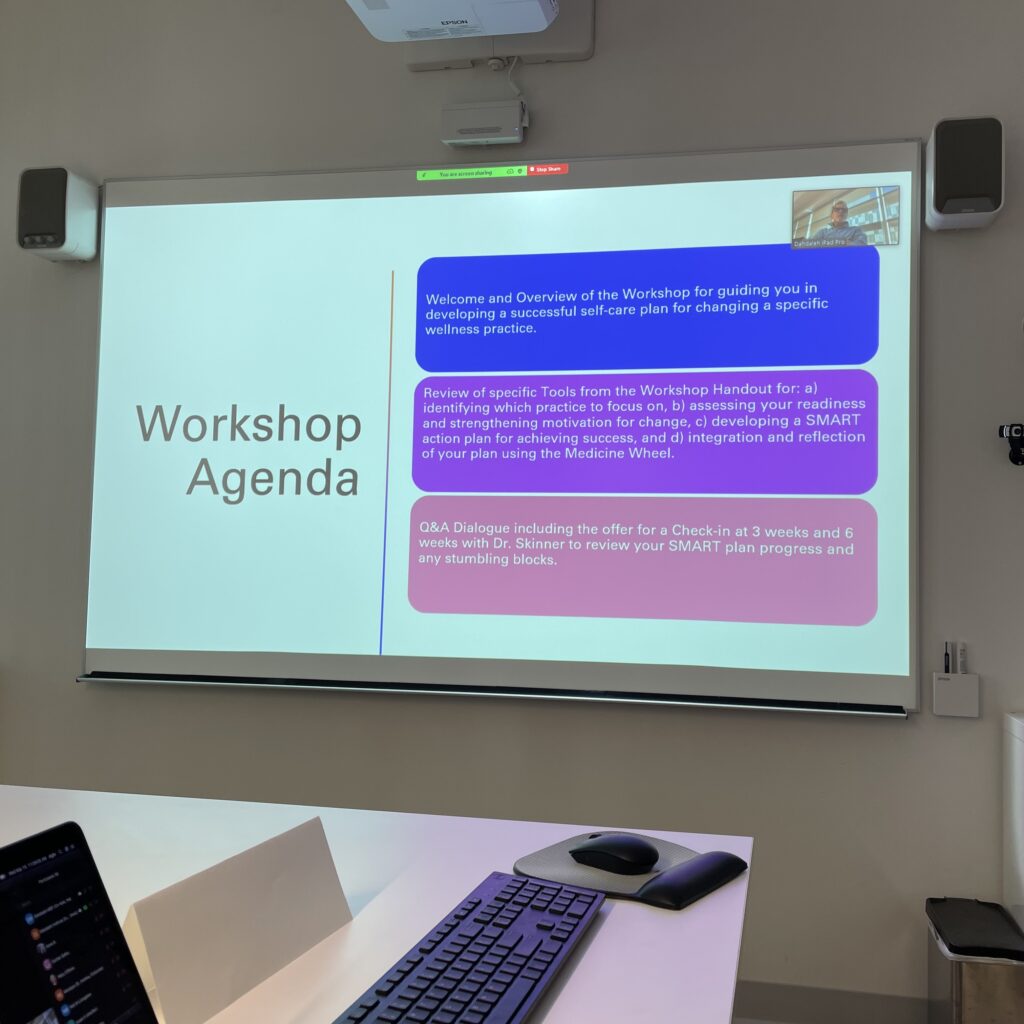
Harvey created an open space for everyone to assess their own readiness for change. He shared his personal experiences with his own goals to promote healthy living. Then, Harvey explained how participants can benefit from using tools like the SMART goal framework (Specific, Measurable, Achievable, Realistic, Time Frame). This framework is valuable creating a focused, practical and positive behaviour change process. Finally, Harvey offered all participants an opportunity to check-in with him for feedback and advice on achieving their SMART wellness goals.
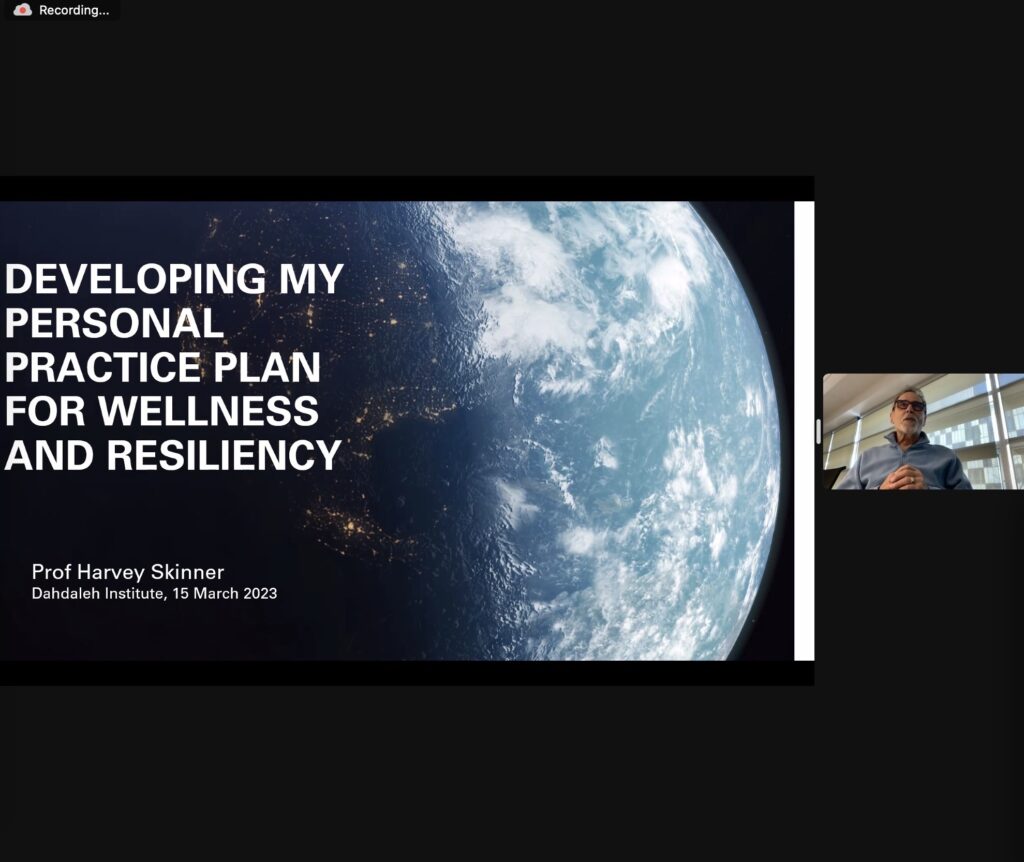
Prof. Skinner gave insight from a broader perspective on New Year’s resolutions. He stated that wellness behaviour change like enjoying a more plant-based diet, practicing mindfulness, or partaking in regular exercise, can have an impact that extends far beyond the present, supporting ‘graceful’ ageing. Moreover, our choices and path towards wellness can benefit our planet.
This workshop summarized the larger theme of the series, which was that by healing ourselves, we can better heal the world.
Watch the seminar presentation below:
Connect with Harvey Skinner
Themes | Global Health & Humanitarianism |
Status | Active |
Related Work | |
Updates |
N/A
|
People |
Harvey Skinner, Senior Fellow, Wellness Impact Lab - Active
Susan Harris, Community Scholar, Meditation, Wellness, and Selfcare - Active |
You may also be interested in...
Dahdaleh Researchers Awarded Connected Minds Grant to Co-Design Novel Machine Learning-Enabled Public Health Risk Assessment Tools in Uganda
A group of Dahdaleh Institute researchers has been awarded a Connected Minds grant. This grant will support new research on co-designing a novel machine learning-enabled public health risk assessment tool using quantitative microbial risk assessment (ML-QMRA) ...Read more about this Post
Recap – Climate Change Threatens to Cause Greater Resource Insecurity, Greater Poverty, and Poor Health Outcomes
On February 1, over 40 attendees were introduced to Godfred Boateng's research programs – he discussed some examples of current global environmental changes that have destabilized the earth's climate and threaten to cause resource insecurity, ...Read more about this Post
Water Safety Research in Cambridge Bay, Nunavut is Off to a Successful Start
In mid-April, Dahdaleh graduate scholar Caroline Duncan, Dahdaleh faculty fellow Professor Stephanie Gora, and Audrey Tam from the Safe and Sustainable Water Research Group at York University arrived in Cambridge Bay to hold the first ...Read more about this Post