

Engaged. Critical. Transformative.
Anthropology is the study of human experience and social change. It explores how people live, relate, struggle, imagine and make sense of their life worlds—across diverse settings and scales, and in the context of complex historical, cultural, political and material forces. Through relational and situated methods like ethnography and collaborative fieldwork, anthropologists examine everyday life with an eye to the broader structures that shape it. In doing so, they ask some of the most urgent and foundational questions of our time: How do people resist inequality? What forms of care and solidarity sustain communities? What might alternative futures look like?
The Department of Anthropology at York University is recognized as one of the top four socio-cultural anthropology programs in Canada. Our faculty—internationally known for their innovative, community-engaged and multimodal research—bring this work directly into the classroom, guiding students through contemporary debates and toward meaningful academic and professional pathways.
We offer undergraduate and graduate degrees that provide a strong foundation in critical thought, interdisciplinary analysis and qualitative research. Our courses examine vital topics such as race and racism, health and the body, media and technology, archaeology and cultural heritage, politics, religion, migration and environmental justice.
In an era of global transformation, anthropological thinking—curious, grounded, and attuned to human complexity—has never been more necessary.
Quick Links
Listen to our Anthro Playlists
QS University Rankings

In the 2025 Quacquerelli Symonds (QS) University Rankings by Subject report, ranked in the Top 150 in the world and tied for #4 in Canada.
Read our Land Acknowledgement, which recognizes the unique and enduring relationship of Indigenous people and their traditional territory.
Acquire unique qualitative research skills that prepare you to analyze major social and political issues and gain experiential learning opportunities that take you beyond the classroom.

Commitment to Excellence
We offer a comprehensive and engaging program of study which will give you the opportunity to study your interests through our large selection of course offerings.
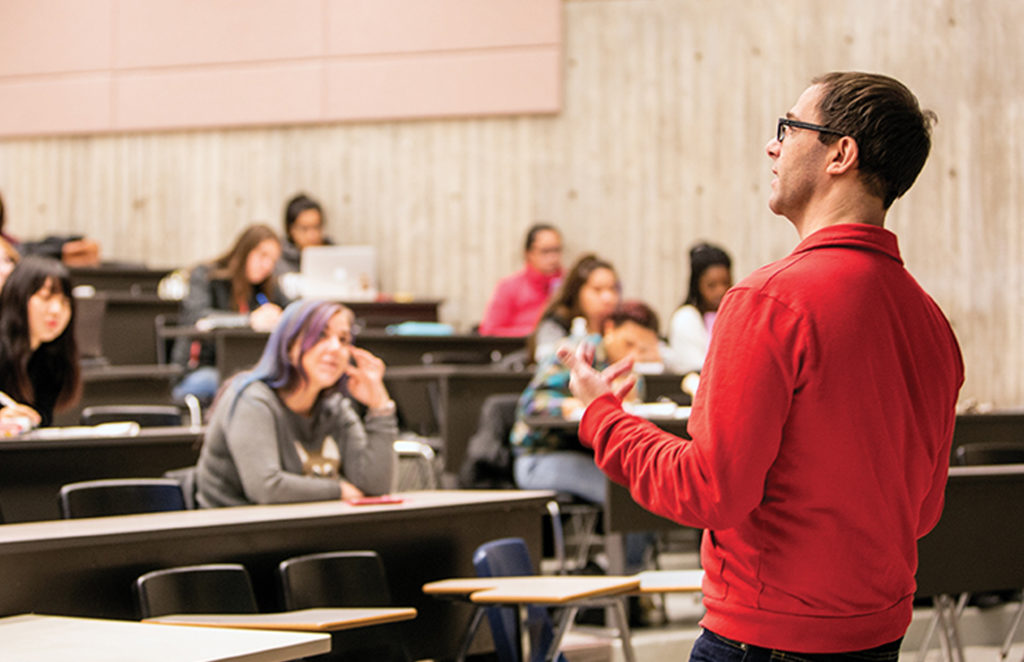
Our Faculty
Our faculty members have national and international reputations for scholarship, engaged advocacy and excellence in teaching.
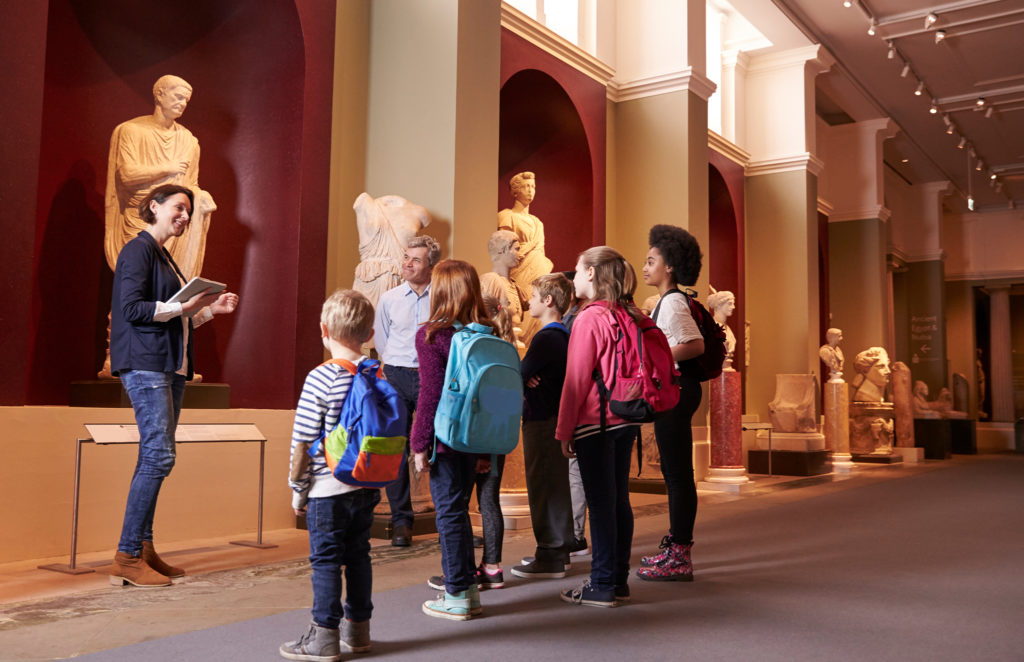
Careers
Our graduates’ career paths range from the corporate sector, working with international aid organizations or even becoming a successful film maker.
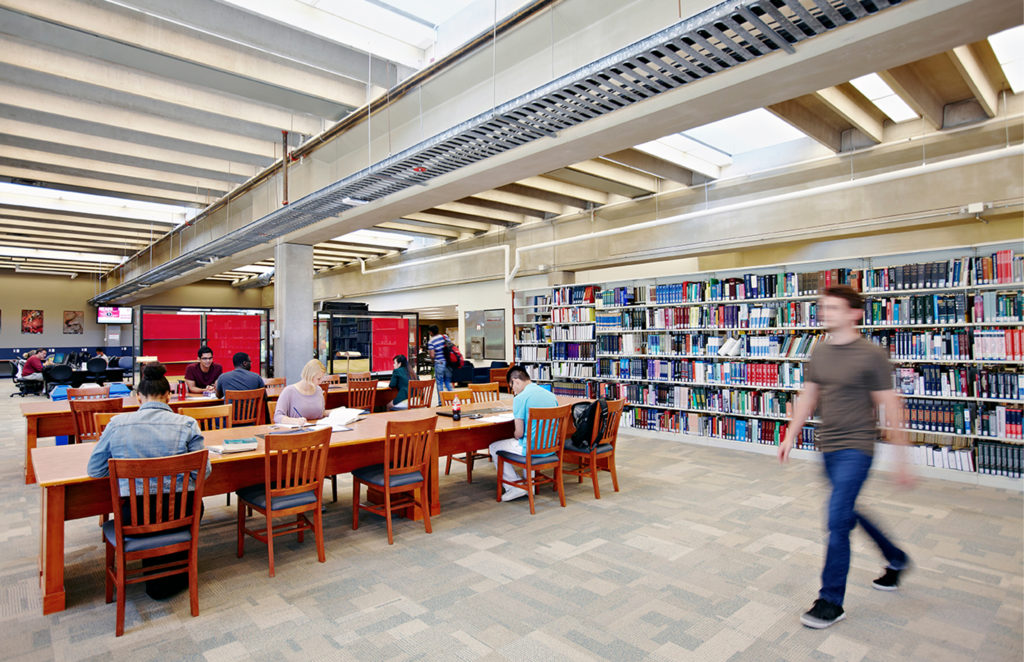
Resources on Campus
Access the resources you need academic, personal and professional success at York and beyond.



Featured Faculty
I am an anthropologist of science, technology and biomedicine specializing in issues of reproduction. In Senegal I have worked with a local NGO seeking to understand the logic and practices of maternal health interventions and the experiences of local health professionals and community members involved. I have also conducted research within the global maternal health community on the global campaigns to reduce maternal mortality, drawing on visual, documentary, and narrative data from key national and global organizations. My research on midwifery in Canada has documented midwifery’s transition from a social movement to a profession within the public health care system, the changing meaning and practice of the principle of informed choice, and most recently, how midwives fared during the COVID-19 pandemic. I teach courses in medical anthropology, global health and humanitarianism, and the anthropology of women, culture and society. I incorporate creative methods such as podcasts and visual projects into my teaching to help students learn and express their understanding of anthropological theory and methods and to delve deeply into current issues.
— Maggie MacDonald
Associate Professor

As a medical anthropologist, I have been consistently exploring the ways in which public health, medical research, and scientific practice can inadvertently contribute to the very inequities that they seek to reduce, particularly among marginalized and racialized communities. In essence, I examine the unintended consequences of ‘good intentions’ whether they are the result of HIV treatment or neurological care, clinical trials for the development of new anti-AIDS drugs, or global health research collaborations between anthropologists and epidemiologists. For the past few years, I have been focusing on the lived experience of neurological disabilities in both Kenya and Canada. In teaching, I often focus on ethnographic methods and writing, encouraging students to engage with multimodal experiments.
— Denielle Elliot
Professor

My research delves into the anthropology of medicine, science, and reproduction, with a focus on Indigeneity, reproductive justice, and the datafication of health. Through fieldwork in the southwestern Pacific Islands, Canada and online, I explore how colonial and postcolonial dynamics shape kinship, health, labour and disability. In the classroom, I guide students to consider multiple medical systems and encourage them to consider the socio-political contexts that impact health and mind/body experiences.
— Alexandra (Sandra) Widmer
Associate Professor, Graduate Program Director

My research and publications reflect specializations in ethnic nationalism, diaspora and transnationalism, southeastern European populism and memory politics with a focus on post-independence Croatia and southeastern Europe more generally. The research projects I am currently engaged in include (a) ethnographic research on transnational memory with a focus on memory activism; (b) diaspora Ukrainian advocacy in the context of the 2022 invasion of Ukraine and the consolidation of communities of recognition within and outside of the community, and (c) the political genealogies of diplomatic archives and their relationship to the performance of transnational imaginaries, messianic Zionism and nation-building in Israel/Palestine. My teaching focuses on nationalist movements, populism and identity politics where students participate in discussions and lively debates on how politics has an impact on their everyday lives – now and in the future.
— Daphne Winland
Associate Professor


