
Post
Published on November 6, 2023
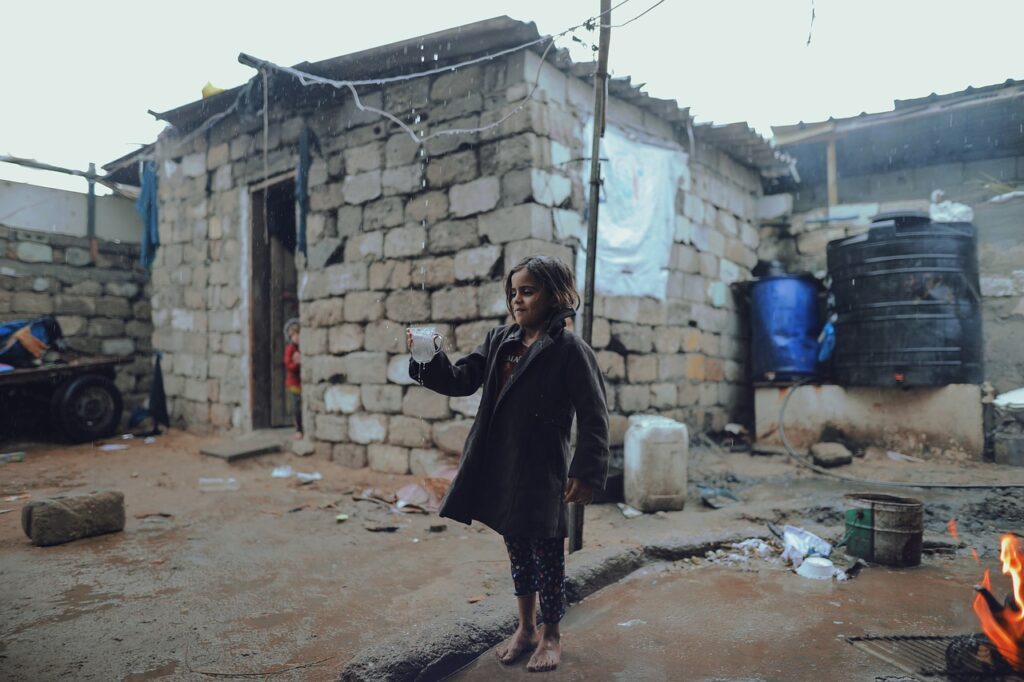
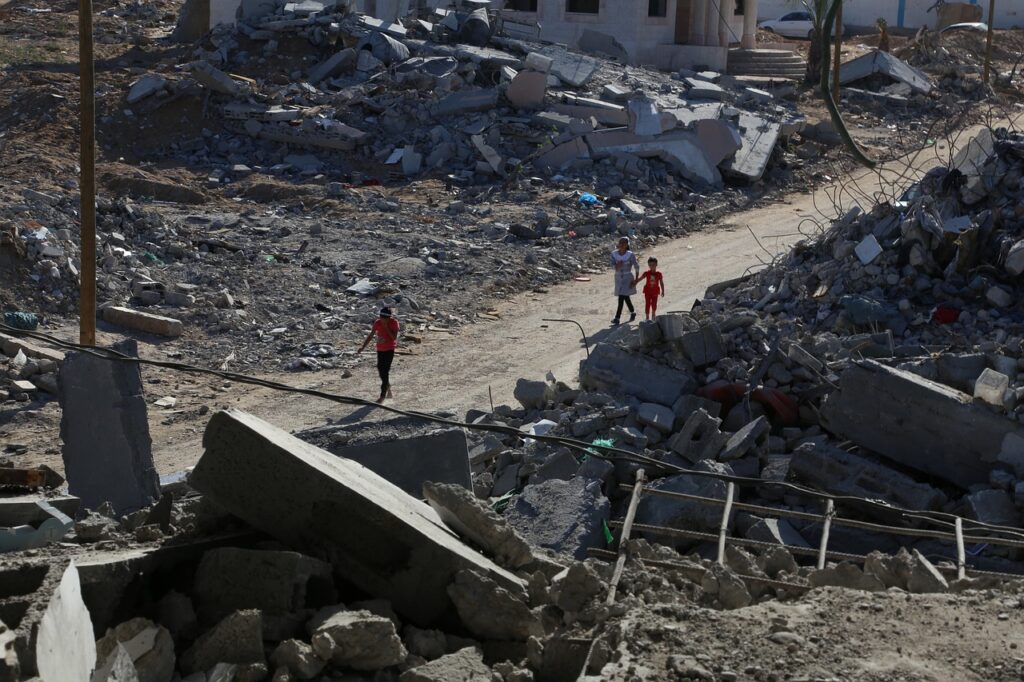
Dahdaleh research fellow and Humanitarian Water Lab lead, Dr. Syed Imran Ali, was quoted in the Washington Post on the public health consequences of the collapse of water and sanitation systems in Gaza under Israeli bombardment and siege. The article entitled “Why Gaza has so little water” reports the daily struggles that Palestinians in the embattled territory face seeking the barest minimum of water for their families, and the public health consequences that follow from this essential service being cut off.
At the Humanitarian Water Lab at the Dahdaleh Institute, Dr. Ali leads research on water and public health in humanitarian crises, including the development of technologies to support humanitarian responders like the Safe Water Optimization Tool (SWOT), as well as teaching Humanitarian Engineering to engineering and humanitarian professionals and graduate students.
Themes | Global Health & Humanitarianism |
Status | Active |
Related Work |
Humanitarian Water Engineering | Education, Project, Research
Safe Water Optimization Tool | Project, Research |
Updates |
N/A
|
People |
Syed Imran Ali, Research Fellow, Global Health and Humanitarianism Active
|
You may also be interested in...
Dahdaleh Global Health Intern Shares Summer Undergraduate Research Conference Experience
As the 2023 recipient of the Canadian Institutes for Health Research (CIHR) Undergraduate Student Research Award (USRA), Mirianna Georges had the opportunity to complete a research project on the gendered differences in the relationship between ...Read more about this Post
[UPDATED] Call for Applications – 2024 Seed Grants for Critical Social Science Perspectives in Global Health Research
The Dahdaleh Institute for Global Health Research is accepting applications for the 2024 Seed Grants for Critical Social Science Perspectives in Global Health Research. York graduate students and research fellows are welcome to apply with the ...Read more about this Post
Dahdaleh Institute Researchers Awarded Over $1.4M from New Frontiers in Research Fund
Originally published by Yfile (4 May 2023). Written by Corey Allen, senior manager, research communications Seven projects led by York University researchers were awarded a combined $2.4 million from the New Frontiers in Research Fund (NFRF) in ...Read more about this Post