

Consider this the hub for all your collegial needs. At LA&PS, you’ll be assigned to one of our four amazing colleges depending on your program. This is the shared home for McLaughlin College, Founders College, New College, and Vanier College. Each of our colleges has distinct characteristics to suit your social and academic needs.
Whether you're taking advantage of opportunities offered in your individual College or accessing shared programming, we have it all. Get ready to meet and network with fellow students in the faculty, attend events, get involved, and access support. From orientation to graduation, your college life begins here!
Read our Land Acknowledgment, which recognizes the unique and enduring relationship of Indigenous people and their traditional territory.
What to expect:

Connect with students in all LA&PS programs.

Participate in exciting orientation activities, as you enter York University.

Access supports & services during your academic year.

Learn more about your affiliated College and its history.
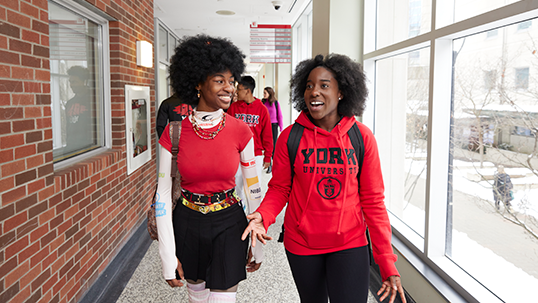
First Year Experience
Meet your fellow students, learn about your academic program and discover all the resources available on campus.

Peer Mentorship
Connect with a high-achieving upper-year student who can help you adjust to university life, and find support and resources.
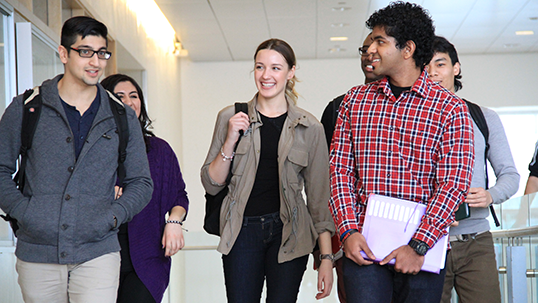
Leading in LA&PS
Leading in LA&PS program is designed to support you in developing your leadership skills. You will get the chance to attend a variety of workshops building on different skills.

Graduate Life
Professional development workshops, events, and more to support your grad school journey and help you make the most of your degree.